Your Local Pool Is Way Grosser Than You Think: The Mistakes That Make You Sick

(SeaPRwire) - By: Adrian Kingsley Most people think a dip in a chlorinated pool is a safe summer activity. This common assumption hides a messy truth. Bad routine hygiene habits turn a cool retreat into a pathogen breeding ground. Public health experts have documented these risks for years. We rarely talk about how small, unthinking choices put every swimmer at risk. This isn't a call to avoid pools entirely. It's a call to fix the habits you don't even know are wrong. The most common mistake is trusting chlorine to kill everything instantly. Chlorine is an effective disinfectant, but it is not all-powerful. Ordinary bacteria die in less than a minute of direct contact with chlorine. A waterborne hepatitis virus needs 15 minutes to be killed. Cryptosporidium, the single most common cause of U.S. pool outbreaks, can live 10 days in chlorinated water. Pool operators need 20 times the standard chlorine dose to kill this bug. Even that dose takes hours to work. Most pools only have one part chlorine per million parts water. Hand sanitizer is 60% alcohol, for comparison. Rinsing dirty hands in the pool just adds more pathogens to shared water. Almost no one takes 30 seconds to rinse off before getting in the pool. A quick pre-swim shower washes off sweat, sunscreen, body oils and trace bathroom waste. That keeps all that gunk out of the shared water. A post-swim rinse washes away stray pathogens and excess chlorine that dries skin and hair. Getting in the pool with a large open wound or fresh surgical site raises your infection risk. Chlorine cuts this risk but never brings it down to zero. If you must swim with an open wound, seal it with a waterproof dressing like Tegaderm. Change the dressing immediately after you get out of the water. Most people never actually wash their feet before swimming. Feet are one of the highest bacteria zones on the human body. Pseudomonas, the bacteria that causes swimmer's ear, lives on unwashed feet and thrives in under-sanitized pools. Peeing in the pool isn't just gross. It reacts with chlorine to use up the disinfectant meant to kill germs. It creates chloramine, the strong "pool smell" most people mistake for cleanliness. Lounging all afternoon in a wet bathing suit creates the warm, dark, damp environment microbes love. Waterlogged skin is more permeable, so pathogens can easily set up camp. Even your bathing suit isn't clean just from sitting in pool water. It still holds your skin cells, body oils, sunscreen and any germs floating in the pool. You should wash it after every use, just like you wash your underwear. Most public pool hygiene regulations place too much responsibility on operators and not enough on individual swimmer education. Author bio: Adrian Kingsley, internationally renowned scholar of public administration and public health policy.
More
The Unbearable Cost of Digital Silence: When Encryption Becomes an Accomplice Hot News

The Unbearable Cost of Digital Silence: When Encryption Becomes an Accomplice

(SeaPRwire) - By: Oliver HawthorneThe digital age promised connection, efficiency, and, crucially, privacy. Yet, the very architecture designed to shield our most sensitive communications now stands implicated in a horror almost unimaginable: the livestreamed sexual abuse of children. This isn't a fringe issue confined to the dark web. It's unfolding on the same ubiquitous chat applications we use daily, forcing a brutal reckoning for the tech industry. The core contradiction is stark: how much digital confidentiality can society afford when it directly facilitates the systemic exploitation of millions of the most vulnerable? The industry's anxiety is palpable, caught between its foundational commitment to user privacy and an escalating moral and legal imperative to protect children.Consider Teresita, a name changed to protect her identity, whose story lays bare this grim reality. Growing up north of Manila, she found herself, at just 13, coerced by her stepsister into performing livestreamed sex acts four times a day for paying customers. These transmissions, she recounts, occurred over regular chat apps, shielded by end-to-end encryption (E2EE). This technology, intended to secure private conversations, became the very mechanism for her abuse, hiding it from any external scrutiny. Teresita was eventually rescued in 2021 by a Philippine National Police raid, but her experience is far from isolated. A 2022 study by the International Justice Mission (IJM) NGO and the University of Nottingham Rights Lab revealed nearly half a million Filipino children were sexually exploited in livestreams that year alone. The average age of these victims is a shocking eight years old. Martin Conley, national program manager for Homeland Security Investigations (HSI), calls this "probably the largest emerging form of child abuse and exploitation." He emphasizes that it doesn't happen in obscure corners of the internet, but on platforms like WhatsApp, Zoom, and Telegram, all leveraging E2EE. This technology, while vital for journalists, dissidents, and businesses, simultaneously provides an impenetrable cloak for criminals. The debate over tech platforms' responsibility has intensified, with recent verdicts in California and New Mexico finding Meta liable for harm inflicted on young people. Senator Dick Durbin, co-sponsor of the bipartisan STOP CSAM Act, awaiting a full Senate vote, states plainly that "Big Tech consistently prioritizes profits over people." Google, for its part, highlights its use of hash-matching on stored content and reporting to NCMEC, but Senator Risa Hontiveros of the Philippines argues for "safety built into their platforms by design, like proactive detection, especially for live-streamed content."The commercial loop here is tightening, forcing tech giants to confront their role beyond mere content moderation. The ultimate industry end-game is no longer about whether to act, but how. New AI tools offer a glimmer of hope, promising real-time detection of abuse even within E2EE environments, theoretically without creating "backdoors" for mass surveillance. Yet, privacy activists remain wary, fearing any system built for one purpose could be expanded for another. This tension defines the current landscape. Platforms face increasing legal liability, as seen with Meta, and the looming threat of legislation like the STOP CSAM Act, which would allow victims to sue. The cost of inaction—both financial and reputational—is becoming prohibitive. The industry must move beyond reactive takedowns. It must embed proactive safety measures into its core design. The question is no longer if society is willing to trade some privacy for child protection, but how tech companies will finally engineer that balance, or be forced to.Author bio: Oliver Hawthorne, a Principal Correspondent permanently stationed at an international technology review, covers the intersection of emerging technologies, policy, and societal impact.
More
The 2024 Democratic Loss Was Written in Blood on the Southern Border – And Both Parties Let It Happen Hot News

The 2024 Democratic Loss Was Written in Blood on the Southern Border – And Both Parties Let It Happen

(SeaPRwire) -By: Gavin Thorne Border wall between Ciudad Juarez and New Mexico on April 22, 2026. —Christian Torres—Anadolu/Getty Images No one on Capitol Hill will say this out loud. The US immigration system is not broken by accident. It’s a deliberate political asset for both major parties. The 56 Guatemalan migrants who died in that 2021 trailer crash in southern Mexico are not collateral damage. They are the predictable outcome of decades of intentional inaction that lets politicians score points instead of solving problems. Voters deserve to know their elected officials are choosing this chaos for electoral gain. On December 9, 2021, the then-US Ambassador to Mexico got an urgent alert from his Mexican counterpart. The alert referenced a fatal truck crash in Tuxtla Gutiérrez, 140 miles north of the Mexico-Guatemala border. The truck carried more than 160 Guatemalan migrants, each paying smugglers known as coyotes $15,000 to be stuffed into the trailer for days. 56 people died in the crash, and over 100 suffered serious injuries that required immediate cross-national coordination to address. A few days after the crash, the ambassador flew to the city and visited the local ICU. He met a young mother named Vanessa, who suffered severe head trauma in the wreck. Her toddler son Damián was miraculously unharmed. The pair were traveling to Wisconsin to meet Vanessa’s husband, who worked on a dairy farm there. She had not seen him in years, and Damián had never met his father. Last week in Houston, ICE officers shot and killed 52-year-old Lorenzo Salgado Araujo, a construction business owner who lived in the US for 3 decades and was father to three US citizens, even though he was not the operation’s target. Both parties bear equal blame for this state of affairs. Republicans have spent decades weaponizing the border to stoke voter fear and turn out their base. A broken border delivers easy campaign ads and energizes their core voting bloc. Democrats have lacked the political courage to push for meaningful reform, ceding all ground on the issue to their rivals. The 2000-mile US-Mexico border has become the third rail of American politics, with almost no elected official willing to touch it for fear of ending their career. The former ambassador warned Democratic leadership repeatedly that inaction on immigration would cost them the 2024 election, and his prediction came true. He has proposed a New American Alliance, coordinating the US, Mexico and Canada on migration and economic policy to turn the border into an opportunity, not a crisis. He has pitched the plan to prospective 2028 Democratic candidates, and says he will speak to Republican and independent candidates looking for solutions as well. Any 2028 presidential candidate who refuses to back concrete, bipartisan immigration reform will lose the general election by at least 7 points. Author bio: Gavin Thorne, an investigative journalist tracking special interests and legislative affairs based in Washington, D.C.
More
Extradition as Theater: The Tate Brothers and the Geopolitical Pendulum Hot News

Extradition as Theater: The Tate Brothers and the Geopolitical Pendulum

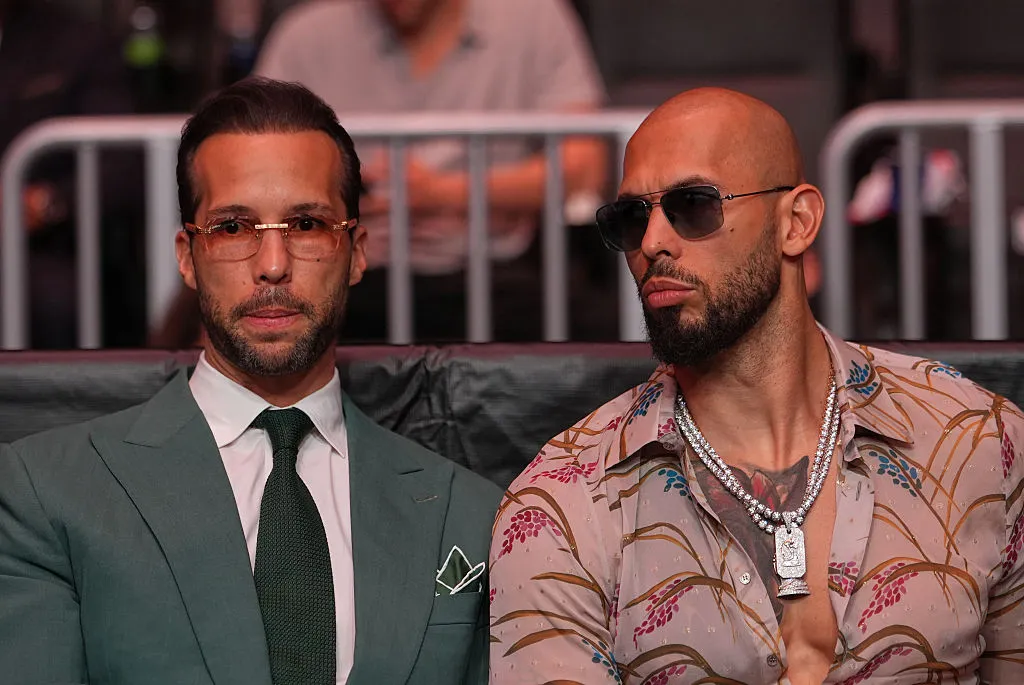
(SeaPRwire) - By: Julian Holbrooke The arrest in Miami was not merely a law enforcement action. It was a theatrical event designed for the global cameras. Two brothers stand at the center of a massive storm. They claim innocence with absolute certainty and conviction. The state claims otherwise with equal legal force. The location matters immensely in this modern narrative. Miami is a hub for the ultra-wealthy elite. It is also ground zero for the new political right. The U.S. Marshals Service moved on a sealed warrant. This secrecy suggests high stakes and sensitive information flow. The Tates hold dual citizenship in Britain and America. They moved to Romania in 2016 to build their brand. They built an empire on controversy and flashy wealth. Now the empire faces a coordinated legal siege. The presence of President Trump at the UFC nearby is noted. He attended the event on April 11, 2026. It adds a layer of political texture to the moment. This is not just about traditional criminal acts. It is about cultural influence and raw power. The "manosphere" finds its avatar in the federal court. The state finds its challenge in the digital influencer. The clash between them is now inevitable and public. The global audience watches from their screens daily. The outcome will define legal boundaries for the industry. The spectacle is just the opening act of the saga. The real war is fought in the legal archives. The supporters in the American right are mobilizing. They view the brothers as warriors for their cause. The Crown Prosecution Service released a formal statement on Sunday. It details thirty-eight new charges against the brothers. Andrew Tate faces seven counts of rape specifically. He faces three counts of arranging trafficking. He faces three counts of assault occasioning bodily harm. He faces nineteen charges for indecent images. Tristan Tate faces one count of sexual assault. He faces two counts of rape specifically. He faces three counts of arranging trafficking. The total reaches fifty-nine charges in the U.K. The offenses span July 2010 to August 2017. Four alleged victims are named in the police reports. The text lists rape and human trafficking clearly. The subtext involves a pattern of alleged predatory behavior. Police officials speak of male violence against women. They promise to support victims tirelessly in court. The lawyer Joseph McBride calls it a political hit. He claims a dying empire orders the arrest. The facts remain in the dry legal documents. The interpretation remains in the court of public opinion. The charges include extreme pornography and assault. The list is exhaustive and deeply serious for them. The defense calls it fabrication and political persecution. The prosecution calls it evidence and justice. The timeline covers their early influencer years. It covers their wealth accumulation and rapid rise. The legal net is wide and tightening around them. The legal fight will be long and expensive. Bedfordshire Police assistant chief constable Karena Thomas issued a statement. She emphasized there is no place for violence. Hertfordshire Constabulary investigated other alleged offenses jointly. The two forces are working together on this case. The Romanian case from 2022 remains active too. That case involves human trafficking charges as well. The legal web is complex and international. The extradition decision rests with Secretary of State Marco Rubio. He holds the final key to their custody. The U.S. and U.K. share a specific treaty. It was signed in 2003 between the nations. It took full effect in 2007 for cases. A U.S. judge will certify the request first. Then Rubio decides on the surrender of the men. The Tates express confidence in a denial of the request. McBride says America does not do dirty political work. The Trump connection complicates the political calculus significantly. Donald Trump Jr. called their Romanian detention absolute insanity. Reports link Andrew Tate to Trump family members closely. The New York Times reported on Barron Trump connections. A Tate lawyer dismissed the Barron link as fake news. The White House denies knowing anything about the case. Romania lifted the travel ban in February 2025. This allowed their return to the U.S. territory. A Trump Administration official expressed interest in the case. The Romanian foreign minister denied pressure was applied. Florida AG James Uthmeier ordered a separate criminal investigation. That probe remains ongoing as of Saturday. The legal landscape is fragmented across three nations. The political landscape is aligned with the right. The brothers have supporters inside the administration. They have enemies in the foreign courts. The treaty is the legal mechanism for transfer. The politics is the fuel for the delay. Extradition is rarely neutral or purely legal. It is always a negotiation of leverage. The leverage shifts with every election cycle. In 2020 the U.S. refused a British request. That case involved a car accident killing a teenager. The State Department cited diplomatic immunity for that refusal. Lawyer Ben Keith sees a political challenge ahead. He predicts delays of months in the courts. The process is much more political in the U.S. The process will not be swift or simple. Lawyers will file motions to dismiss the charges. Courts will schedule hearings for weeks to come. Months will turn into years of litigation. The Tates will walk free for now. They will fight in federal court in Miami. The geopolitical pendulum swings on legal precedent. This case tests the treaty's actual strength. It tests the political will of the administration. If the U.K. succeeds, it sets a global standard. If the U.S. refuses, it signals a new immunity. The influencer class watches this outcome closely. Their freedom depends on this specific ruling. The state asserts its authority over digital citizens. The individual asserts their rights against the state. The balance is fragile and easily tipped. The verdict will ripple through the tech industry. It will ripple through the Atlantic alliance. The cage in Miami is just the beginning. The real judgment happens in the halls of power. The pendulum has started to move slowly. The direction is not yet clear to see. The Tates will claim victory regardless of the wait. The state will claim justice eventually. The world will watch the final vote. The commercial loop of the manosphere depends on it. The political capital of the right depends on it. The legal system must find its footing. The result will define the next decade. The treaty stands or falls here. The alliance stands or falls here. The truth will emerge from the mud. The lies will fade into history. The court records will speak first. The politicians will speak second. The public will decide last. Author bio: Julian Holbrooke, an overseas international relations analyst who frequently contributes to major European daily newspapers.
More
The U.S. Didn’t Oust Venezuela’s Dictatorship—It Just Put It On Its Payroll Hot News

The U.S. Didn’t Oust Venezuela’s Dictatorship—It Just Put It On Its Payroll

(SeaPRwire) -By: Julian Holbrooke A volunteer rescuer stands next to a Venezuelan flag on debris from a collapsed building in Caraballeda, La Guaira state, Venezuela, on July 15, 2026, following the June 24 twin earthquakes. —Juan Barreto-AFP via Getty Images The June 24 twin earthquakes in Venezuela didn’t just level thousands of buildings. They tore down the last shred of credibility behind the Trump administration’s Venezuela intervention. Seismologists warned for decades a major quake would hit the country’s northern coast. No one predicted the far larger man-made disaster that would trap thousands under rubble. The zombie state running Venezuela failed its people long before the first tremor struck. At least 5,000 people are confirmed dead, most in the dense slums of La Guaira state. No official count of missing people exists, with independent estimates ranging from 10,000 to 30,000. The official line from Washington reads like a well-polished press release. Secretary of State Marco Rubio says the January 3 special forces raid removed dictator Nicolas Maduro to stabilize the country. The administration claims it is shepherding Venezuela toward free elections and economic recovery. It says Delcy Rodriguez, the interim president, is a legitimate placeholder overseeing transparent oil revenue management. U.S. Southern Command claims its troops are on the ground solely to support disaster relief efforts. Post-intervention polling even frames Trump as a popular figure among Venezuelans, second only to opposition leader Maria Corina Machado. The reality on the ground tells a completely different story. The entire architecture of the Chavista dictatorship remains fully intact. Rodriguez and nearly her entire cabinet are still under active U.S. sanctions. Interior Minister Diosdado Cabello hosts U.S. military officers in Caracas, even with a $25 million U.S. bounty on his head for human rights abuses. The promised oil revenue transparency website has been inactive since March, leaving Venezuelans with no way to track how oil funds are spent. The White House has blocked popular opposition leader and Nobel laureate Maria Corina Machado from returning to the country. Half of Venezuelans still live in extreme poverty, with inflation, blackouts and police abuse unchanged from Maduro’s rule. The government refuses to release an official quake death toll, mirroring its long history of hiding crime and inflation data from the public. The geopolitical pendulum in Latin America will shift hard against U.S. influence after this fiasco. Any future Washington promises of democratic liberation will be dismissed immediately as a cover for resource extraction. Author bio: Julian Holbrooke, an international relations analyst who regularly contributes to major European dailies, with a focus on Latin American sovereignty and U.S. foreign policy.
More
Why AI Innovation Collapses Without Execution Discipline Hot News

Why AI Innovation Collapses Without Execution Discipline

(SeaPRwire) - By: Ethan Gallagher, a Silicon Valley Hardware Architect and Infrastructure Strategist Execution defines the AI era, not invention. Boards celebrate model launches while ignoring the rigid systems that block operational integration. The core problem is not technical capability but structural inertia. Companies struggle to embed intelligence because legacy architectures reject continuous input. Real transformation demands redesign, not surface level tweaks. Without this shift, AI remains ornamental rather than operational. Official narratives highlight experimentation and pilot scale. Industry subtext reveals brittle infrastructure and governance gaps. Facts show enterprises running countless proofs of concept. Reality shows these initiatives trapped in outdated workflows. Technical debt constrains intelligent features. Organizational rigidity suffocates adaptive logic. The contrast exposes why some firms gain productivity while others stall. AI functions as infrastructure, not isolated tools. Traditional projects treated technology as disposable. Modern workflows require systems thinking and holistic integration. Decisions accelerate beyond human pace once embedded. Teams reorganize around real time insight. Processes collapse into autonomous flows. Talent, governance, and accountability shift simultaneously. Those treating AI as infrastructure redesign accordingly. Execution failure creates a productivity divide. Some organizations capture real gains and faster decisions. Others trap AI in pilots, widening performance gaps. This divide separates leaders from laggards internally. Competitive advantage concentrates where systems adapt. Reinvestment cycles favor data native insurgents. The true risk lies in slow absorption, not rapid innovation. Companies must modernize core connections or face irrelevance. Author bio: Ethan Gallagher, a Silicon Valley Hardware Architect and Infrastructure Strategist.
More
2026 World Cup: A Glimmer of Hope in America’s Pessimistic Landscape Hot News

2026 World Cup: A Glimmer of Hope in America’s Pessimistic Landscape

(SeaPRwire) - By: Marcus Sinclair, a Senior Fellow at a prominent European geopolitical and security think tank The United States is in a state of pessimism. A Pew Research poll shows 69% are dissatisfied with the status quo, and 59% believe the nation's prime days are over. Predictions for 25 years ahead paint a bleak picture: more danger, division, economic hardship, and less global influence. In this climate, the 2026 World Cup was a timely event. The World Cup was a colossal global affair. Millions attended in person, cheering for 1,248 players from 48 countries. Over 100 broadcasters reached over 2 billion TV viewers and billions more on social media. More than 400 government agencies handled security. Although there were three host nations and five host cities in Canada or Mexico, the U.S. played a dominant role. 75% of matches, including the final, were on American soil. With the format expansion from 32 to 48 teams, the U.S. hosted more games than any previous World - Cup host. Given the country's deep - seated divisions, political dysfunction, and real challenges, many doubted America's ability to pull off this event. The red - card controversy in the USMNT's final game added fuel to the skeptics' fire. However, the U.S. not only organized the World Cup but did so in a way that reflects its unique national structure. The federalist system, with its combination of sovereign states and a strong federal government, along with overlapping jurisdictions, usually makes logistical challenges more difficult. But during the World Cup, different levels of government collaborated. In New York and New Jersey, the host committee worked across state and city lines for player lodging, spectator transportation, and fan festivals. The federal government also provided support in funding, coordination, and infrastructure. This cooperation wasn't limited to New York and New Jersey. It was a national phenomenon, highlighting America as a large and populous democracy. The World Cup was a series of individual events across the country, each in a community with its own characteristics. It was an example of the nation the Founders envisioned, a country that allows for and embraces regional differences. Some claim these differences are so great that the U.S. can no longer be a single nation. The World Cup disproved this. It showed that a single national identity can emerge from distinct state and regional identities. Different World Cups in cities like Miami, Boston, and Kansas City combined to showcase something uniquely American. Moreover, the World Cup revealed the true character of the American people. The U.S. has a declining international reputation, but foreign fans who attended the event saw a different America. They were amazed by the scale of cities, building architecture, store variety, and even ranch dressing. Most importantly, they found Americans to be kind, generous, and welcoming. From Norwegians in Times Square to the Tartan Army in Boston and Algerian fans in Lawrence, Kansas, people around the world fell in love with America, and America reciprocated. If we're lucky, this could be the 2026 World Cup's most lasting legacy. If millions globally can see America at its best, so can Americans. As the nation enters its 250th year, it can view itself through the eyes of returning fans: a fundamentally good place with good people, still capable of extraordinary feats. Author bio: Marcus Sinclair, a Senior Fellow at a prominent European geopolitical and security think tank, offers deep insights into global events.
More
Messi vs. Yamal: The World Cup Final’s Generational Clash and Fanatics’ Odd Spectacle Hot News

Messi vs. Yamal: The World Cup Final’s Generational Clash and Fanatics’ Odd Spectacle

(SeaPRwire) - By: Oliver Hawthorne, a Principal Correspondent permanently stationed at an international technology reviewThe air crackles with anticipation, not just for the World Cup final, but for a narrative that transcends the pitch. It’s a story woven from a single, serendipitous photograph: a young Lionel Messi, a mere 20 years old, holding a baby Lamine Yamal. Fast forward to July 2026, and these two titans, separated by decades of footballing evolution, are set to collide on the grandest stage. Messi, now 39 and a seasoned legend, faces Yamal, a precocious 19-year-old prodigy. This generational chasm, framed by a chance encounter at a UNICEF event in 2007, forms the emotional core of a final that promises more than just athletic prowess. It’s a poignant reflection of time, legacy, and the relentless march of sporting talent.The press release details a peculiar pre-final event at Fanatics Fest in New York City. Here, amidst a throng of fans, Tom Brady posed a question to Messi about that now-iconic photograph. Messi’s response, delivered through an interpreter, was a mix of bewilderment and a simple wish for luck. He appeared visibly uncomfortable, a sentiment echoed by his coach, Lionel Scaloni, who deemed the spectacle "peculiar." This forced engagement, a commercial partnership between Fanatics and FIFA, highlights a growing trend in sports marketing: blurring the lines between athletic performance and entertainment spectacle. Players, often guarded and focused, are increasingly obligated to participate in elaborate, sometimes jarring, promotional events. The Javits Center, usually a hub for trade shows, became an unlikely stage for this pre-game ritual, a stark departure from traditional press conferences held in more controlled environments.This World Cup, particularly on American soil, has embraced a departure from protocol. The presence of global sports icons like Tom Brady, Novak Djokovic, and Kevin Durant at a player event underscores this shift. While the Messi-Yamal narrative is compelling, it risks overshadowing the sheer depth of talent on display. Argentina, the reigning champions, and Spain, fresh off a Euros triumph, represent a clash of continental titans. Rodri, Spain's midfield maestro and a recent Ballon d'Or winner, acknowledges Messi's unparalleled impact but emphasizes Argentina's collective strength. This isn't just Messi's swansong; it's a testament to the enduring power of a well-drilled, multi-talented squad. The sheer accomplishment of both teams, culminating in this unprecedented final between the current South American and European champions, speaks volumes about the global state of football.The commercial implications are staggering. Ticket prices exceeding $9,200 for the cheapest seats reflect the immense demand, a direct consequence of the caliber of teams and the captivating storylines. Spain's defensive solidity, having conceded zero goals throughout the tournament, is a formidable barrier. Their backline, featuring Rodri, Pedro Porro, and Pau Cubarsí, has been impenetrable. Argentina, conversely, has showcased a potent offense, scoring three goals in five of their seven matches. This contrast in styles—Spain's controlled possession versus Argentina's spirited flair—is a tactical chess match waiting to unfold. Stu Holden, the FOX Sports analyst, aptly captures this dynamic, highlighting the "Spanish control versus the Argentine spirit."Spain's journey has been marked by late-game heroics, with Mikel Merino scoring crucial stoppage-time goals. Their collective identity, ingrained from youth academies, emphasizes fluidity and cohesion. Mikel Oyarzabal leads their scoring charts with five goals, while Yamal, despite his youth, has already made his mark. Should Spain triumph, Yamal would etch his name in history as one of the youngest World Cup final winners. The narrative of Yamal potentially eclipsing Messi, or at least stepping into the spotlight, is a powerful one. As Holden notes, the prospect of Yamal unleashing his full potential, much like Kylian Mbappé did in 2018, is a "scary" thought for Argentina. This final is more than a match; it's a passing of the torch, a generational dialogue played out on the world's biggest stage, promising new memories to be forged.Author bio: Oliver Hawthorne, a Principal Correspondent permanently stationed at an international technology review, provides incisive analysis on global tech trends and their impact on business and society.
More
Sibling Power Grab in the Senate: Trump’s Endorsement Ignites a Succession Shockwave Hot News

Sibling Power Grab in the Senate: Trump’s Endorsement Ignites a Succession Shockwave

(SeaPRwire) - Julian Holbrooke, an overseas international relations analyst who frequently contributes to major European daily newspapers. This succession drama exposes raw ambition within American legislative corridors. The Senate faces a rare rupture as a sibling fills a vacated seat. Political calculations now intersect with family loyalty in a high-stakes contest. Official endorsements reshape candidate viability overnight. The resulting uncertainty threatens to destabilize an already narrow partisan balance. These developments signal a potential shift in how legacy influences future candidacies. Official records confirm President Donald Trump endorsed Sen. Darline Graham Nordone to run for a full term in November. She was appointed last week by South Carolina Gov. Henry McMaster to temporarily fill a seat left by her late brother, Lindsey Graham. Graham Nordone was sworn in on July 14 after visiting the White House. Trump explicitly urged her to join the Republican special primary scheduled for Aug. 11. He framed her candidacy as a tribute to her brother’s legacy. Republican leaders, including Tim Scott, praised her initial tenure. Yet her entrance complicates an already volatile electoral landscape. The special primary threatens to fracture an already narrow Republican majority. Known contenders include Mark Lynch, who secured 29% against Lindsey Graham previously, and Rep. Ralph Norman, who announced his run emphasizing border security and the SAVE Act. Nancy Mace and Russell Fry also signal potential entry, widening the field. With Mitch McConnell’s medical leave narrowing the margin to 51-48, the GOP needs a robust candidate against Democrat Annie Andrews. Emerson College polling shows Norman leading with 16%, Graham Nordone at 6%, and widespread indecision. Trump’s endorsement, however, has historically boosted 97% of recipients in 2026 primaries, suggesting latent influence. Graham Nordone’s path would set a historic precedent, making her the first person to succeed a sibling in the U.S. Senate. While 46 states allow gubernatorial appointments, her familial ascent remains unique. At least 45 widows have succeeded spouses, but sibling succession has never occurred. Her appointment bypasses typical electoral apprenticeship, raising questions about readiness versus symbolism. Inexperience clashes with legacy as she balances senatorial duties with campaigning. The race ultimately tests whether familial ties can substitute for political provenance in a demanding national arena. Author bio: Julian Holbrooke, an overseas international relations analyst who frequently contributes to major European daily newspapers.
More
The Climate’s Financial Avalanche: Why Insurers Are Fleeing and Governments Are Drowning Hot News

The Climate’s Financial Avalanche: Why Insurers Are Fleeing and Governments Are Drowning

(SeaPRwire) - By: Robert KensingtonThe past month has been a stark, undeniable exhibition of our planet's escalating distress. From the sweltering heatwaves that gripped London during Climate Action Week to the choking wildfire smoke that painted the skies of the U.S. Northeast and Midwest an ominous orange, the message is clear: climate events are no longer isolated incidents. They are a pervasive, compounding force. While individual disasters are dramatic, what's truly striking is their simultaneity and geographic breadth. Everywhere, it seems, is grappling with its own unique climate crisis.This isn't just a sum of parts. Economies can often absorb a single shock, a singular extreme weather event. But the current onslaught demonstrates a more insidious threat: the accumulation of risks. When these events occur concurrently, across diverse geographies and asset classes, the financial toll becomes exponentially harder to ignore. It's the economic equivalent of "death by a thousand cuts." This relentless battering is already making itself acutely felt in the insurance markets. Insurers, by their very nature, price risk based on short-term probabilities. They cannot defer losses like equity investors. Their only recourse is to raise premiums or, more alarmingly, exit markets altogether. We've already witnessed this exodus in regions most vulnerable to climate impacts, notably Florida and California.But the tremors extend far beyond insurance. Subtle indicators of slow-moving financial disasters are emerging across the broader economic landscape. The Bank of England, with characteristic understatement, recently acknowledged that climate change is exerting significant spending pressure on governments, contributing to ballooning sovereign debt. Concurrently, the International Monetary Fund has warned of an "impossible trilemma" facing nations. Disasters necessitate increased borrowing, which in turn hinders essential adaptation funding, ultimately elevating the risk of sovereign default. This creates a perilous feedback loop with profound implications for investors and businesses alike.The ripple effect of excessive sovereign debt is undeniable. It translates into higher interest rates for corporations, stifling private investment and slowing economic growth. While a single, record-breaking disaster might be absorbed, the danger lies in the persistent, unending string of extreme events. This continuous barrage threatens economic stability in a way isolated incidents cannot. For too long, capital markets have been slow to internalize this systemic risk. The inherent difficulty in modeling long-term climate impacts, coupled with investors' natural inclination to discount future risks in favor of immediate returns, has fostered a sense of complacency. The assumption that events will remain non-correlated, and thus manageable, is proving increasingly fragile.This prevailing view may soon be challenged. The Bank of England's December warning about a potential "climate Minsky moment"—a rapid repricing of assets due to climate shocks—looms large. Whether this repricing occurs abruptly or gradually, the cumulative impact of concurrent disasters cannot be underestimated. Markets often dismiss risks when they appear isolated or idiosyncratic. However, once these risks are recognized as systemic, they will inevitably be priced into asset values. For many in the climate science community, this season of extremes has reignited the long-standing prediction that rising global temperatures will spur renewed public and policymaker concern. While some studies suggest extreme weather can galvanize support for climate action, others indicate minimal impact, with some events even triggering populist backlash.Predicting the precise shape of public engagement on climate remains uncertain. However, financial markets operate on a simpler logic: climate-related events are exacting a growing, quantifiable cost. It is now evident that these costs will escalate, and economies are demonstrably unprepared. When investors, armed with this information, determine that these escalating costs are not adequately reflected in asset valuations, a significant market correction is inevitable. The question is not if, but when.Author bio: Robert Kensington, an overseas entrepreneurial veteran with decades of experience in real-economy industrial investment and expansion.
More
Australia’s Social Media Law Isn’t a Failure—Critics Are Fixated on the Wrong Metrics Hot News

Australia’s Social Media Law Isn’t a Failure—Critics Are Fixated on the Wrong Metrics

(SeaPRwire) - By: Adrian Kingsley The chorus declaring Australia’s 2025 social media age law a failure is deeply misinformed. Six months after the rule took effect on December 10, critics claim the policy flopped because under-16 platform use only fell partially. They argue age limits can never work, and that nations eyeing similar rules should scrap their plans. But this framing ignores the law’s core goals, and the tangible progress already underway. Let’s start with the hard, unvarnished data. The law required 10 major platforms—Facebook, Kick, Reddit, Threads, TikTok, Twitch, Instagram, Snapchat, X, and YouTube—to verify user ages and remove under-16 accounts. In the first months, the platforms deleted 4.7 million accounts belonging to an estimated 2.5 million Australian kids aged 8 to 15. Early studies show use and account ownership fell between 9% and 40%. The wide range of results isn’t a sign of failure, though. It comes down to how each study measures success. A Getty Images photo of Sydney Harbour Bridge illuminated for the law’s launch captures the scale of this pioneering rule. Some studies count raw access, not account-based use. The law was never designed to block kids from seeing social media content. It was meant to stop them from signing binding terms of service, which exposes them to targeted harm. That includes late-night notifications, anonymous stranger interactions, public photo posts, like-count pressure, and addictive algorithmic feeds. Qustodio data shows this clearly: Snapchat use by 13-15 year olds dropped 40%, while YouTube use fell just 3%. YouTube doesn’t require an account for most content. A YouGov survey one month post-launch found three in five Australians thought the ban worked. Sixty-one percent of parents of under-16 kids reported at least two positive changes, like more in-person socializing. Enforcement and cultural shift will only strengthen this framework over time. The Australian eSafety Commissioner is building cases against platforms that didn’t take reasonable compliance steps. The government also doubled noncompliance fines to push better action. Over the next few years, the norm of no social media accounts before 16 will become standard, not rare. Kids won’t feel pressured to sign up to fit in, and schools will stop using social media for class updates. Thirteen countries including Indonesia, Canada, Malaysia, the UAE, France, Spain, and the UK are already moving to copy Australia’s rule. The only legitimate unresolved concern is privacy: verifying ages could require sensitive ID, a hurdle every government will need to solve as it adopts similar policies. This law isn’t perfect, but it’s a blueprint the world should adopt, not dismiss. Author bio: Adrian Kingsley, an internationally renowned public administration and social policy scholar.
More
The $100k Green Card Bond: This Isn’t About Fiscal Sense — It’s A Full-On War On Legal Immigration Hot News

The $100k Green Card Bond: This Isn’t About Fiscal Sense — It’s A Full-On War On Legal Immigration

(SeaPRwire) - By: Gavin Thorne The Trump administration doesn’t just want to stop illegal immigration. It’s systematically dismantling every legal pathway to U.S. residency. It puts one expensive barrier in place after another. The latest proposal is a $100,000 bond for certain green card applicants. It’s sold to voters as a common-sense fiscal measure. It is anything but that. This is a deliberate wedge to keep working-class and middle-class immigrants out of the country entirely. The State Department confirmed it is weighing the bond for certain visa applicants. The bond targets applicants deemed likely to become public charges. The official line frames this as a way to protect U.S. public assistance funds for native citizens. It says it also gives wealthy applicants a chance to prove their self-sufficiency. Spokesperson Tommy Pigott tied the policy directly to Trump’s core immigration promises. The Wall Street Journal reports discussions center on a $100,000 bond for some green card applicants. The State Department declined to share more details when asked by TIME. This is not an isolated policy change. It is part of a broader immigration crackdown. Trump launched this crackdown after returning to the White House for a second term. This year, the administration moved to strip citizenship from more than two dozen naturalized Americans. That move is unprecedented in modern U.S. history. Last month, the Department of Homeland Security proposed steep hikes to citizenship application fees. Immigration advocates say the hike will put naturalization out of reach for most low-income applicants. Trump’s electoral base has long pushed for harsh immigration restrictions. This applies to both illegal and legal immigration. The proposal plays directly to that core coalition. Business groups that once pushed for more immigrant labor have lost sway in this administration. We saw that last fall, when the administration tried to charge companies $100,000 a year per H-1B visa. That policy would have killed most corporate hiring of skilled foreign workers. The H-1B fee was struck down in full by a federal judge last month, but the intent was clear. The courts have already blocked two major immigration restrictions in the last month. Besides the H-1B fee, the Supreme Court upheld birthright citizenship on June 30. That ruling was a major blow to one of the administration’s top campaign promises. Right after the ruling, the Department of Justice said it would prioritize prosecuting birth tourism schemes. The administration keeps shifting tactics when courts block its bolder moves. It adds smaller, incremental barriers that are much harder to challenge as a group. Most of these incremental restrictions will stand in court, and legal immigration to the U.S. will drop by more than a third before the 2028 election. Author bio: Gavin Thorne, Washington D.C.-based investigative journalist tracking special interests and U.S. federal legislative affairs.
More
Unpacking Heartstopper Forever: Love, Loss, and the Essence of Ordinary Joy Hot News

Unpacking Heartstopper Forever: Love, Loss, and the Essence of Ordinary Joy

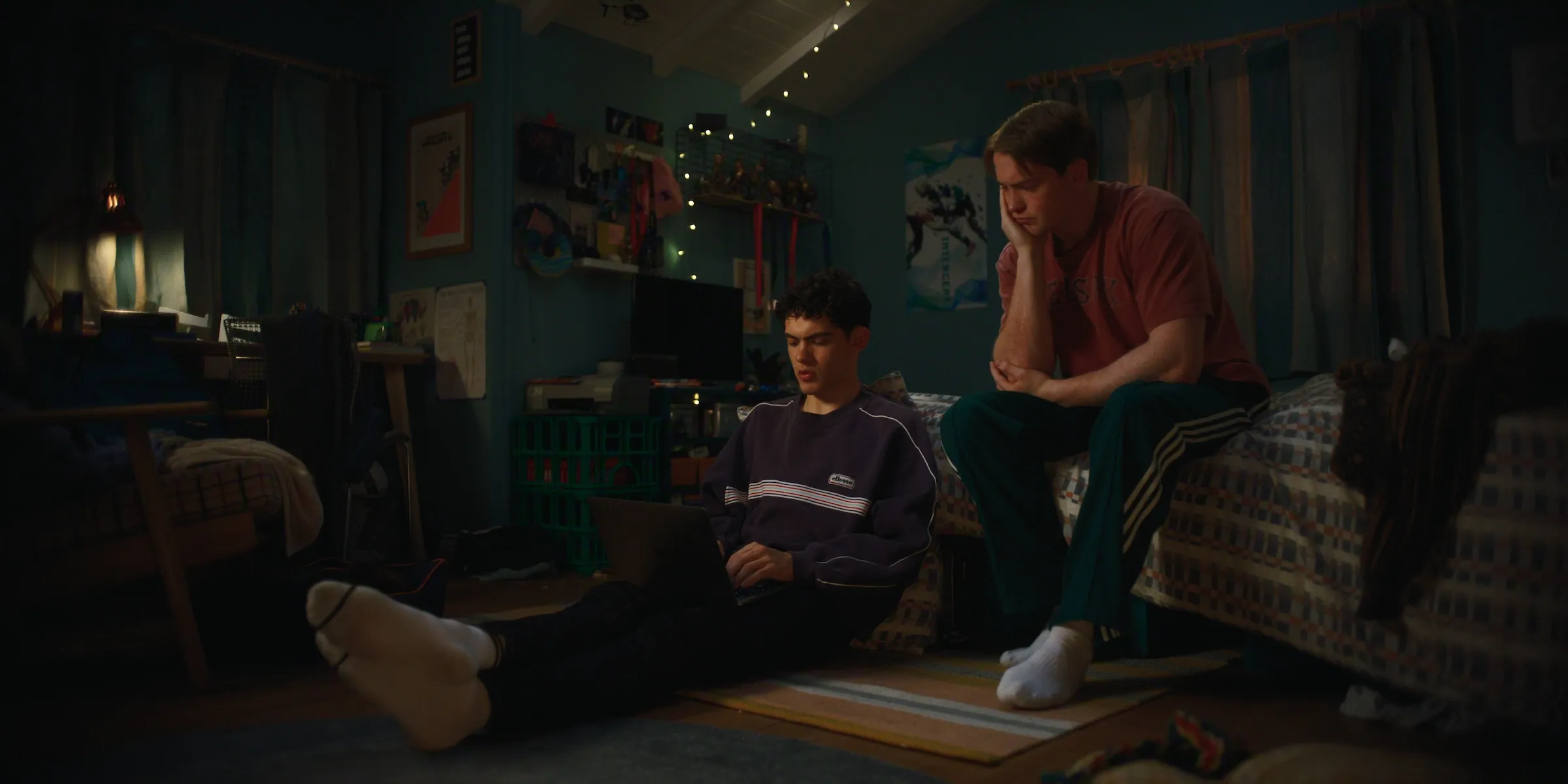
(SeaPRwire) - By: Lucas Caldwell Alice Oseman’s Heartstopper has emerged as a beacon of hope for queer audiences, transcending mediums from comics to a Netflix series and now a feature film, Heartstopper Forever. This movie serves as the series finale, delving into the matured journey of Nick and Charlie, the central couple at the heart of the Heartstopper universe. At the start of Heartstopper Forever, Nick and Charlie’s relationship is flourishing. However, the end of school casts a shadow: Nick, a year older, is bound for university in Leeds, a 4.5-hour drive from Charlie’s location. The strain of distance gradually erodes their bond, leading to a breakup at a party. Oseman didn’t take this decision lightly. “Nick and Charlie adore each other, but they’re caught in a cycle of codependency,” she notes. Nick’s preoccupation with Charlie’s eating disorder causes him to lose sight of his own identity, sparking self-loathing and anxiety. Yet, love’s journey isn’t over. After a period of separation, Nick and Charlie reunite at the beach where they first confessed their love, a poignant nod to their history. Oseman challenges the notion of soulmates, emphasizing that love is a daily choice. Nick’s mother’s words—“Love isn’t cosmic; it’s a choice you make every day”—underscore this theme. The pair’s ability to work through their issues and reunite signals their strength, suggesting they can navigate life together. The film’s epilogue offers glimpses of friends’ futures: Tara and Darcy embark on a rail trip, Imogen supports Sahar at a gig, Isaac starts writing a novel, and Tao surprises Elle in Berlin, rekindling their romance. Oseman avoids definitive endings, recognizing life extends beyond 18. “I didn’t want to skip ahead, leaving viewers frustrated,” she explains. The final scene shows Charlie visiting Nick in Leeds, dancing at a gay bar, and sharing a tender morning—an ordinary yet profound moment that encapsulates Heartstopper’s core: ordinary lives filled with extraordinary love. Fans may wonder if Nick and Charlie stay together forever. Oseman’s answer is clear: “Absolutely.” Heartstopper Forever isn’t just a finale; it’s a celebration of love’s complexity, growth, and the beauty of choosing to love despite challenges. Author bio: Lucas Caldwell, a tech opinion leader with a passion for dissecting media and cultural trends, brings sharp insights to the heart of entertainment narratives.
More
The Unlikely Hero: How Walter Manigan Transformed Lives Through Boxing Hot News

The Unlikely Hero: How Walter Manigan Transformed Lives Through Boxing

(SeaPRwire) - By: Robert Kensington The release of the boxing drama *They Fight* on Hulu on July 17 shines a light on a profound story of redemption and transformation. At its core is the true tale of Walter Manigan, a former convict whose life took a remarkable turn as a youth boxing coach in Washington, D.C. Manigan’s journey is far from ordinary, weaving together themes of second chances, mentorship, and the power of sport to shape lives. Manigan’s path was fraught with challenges. Raised by his grandmother amidst a backdrop of drug addiction, he faced his own demons. He served time in prison for distributing cocaine. When he emerged, he didn’t immediately return to his old role as a coach. “My pride wouldn’t let me go back because I knew I let those kids down,” he once shared. But in 2012, he started anew at the Ferebee-Hope Recreation Center, teaming up with others to launch the Lyfe Style boxing program. This wasn’t just about boxing; Manigan saw himself as a life coach, aiming to “raise them from boys to men.” Ragahleak Bartee, whom Manigan nicknamed “Peanut,” found refuge in Lyfe Style. Bartee sought to escape the violence of his neighborhood. He spoke of Manigan with reverence: “Coach Walt was like a superhero. He taught me about fatherhood. He was basically a second dad to me.” Manigan created an inclusive environment where “you didn’t have to be the best boxer” to be part of the team. He ensured no child was left out, a testament to his commitment to uplifting every youth who walked through his doors. Quincey Williams, a professional boxer, also credited Manigan for his growth. Early on, Williams struggled with losses, often crying after matches. But Manigan’s words of wisdom—“you’re going to have good days, and you’re going to have bad days”—provided the anchor he needed. The discipline he learned in Manigan’s program remains with him today, even as he trains for fights. Manigan’s dedication extended far beyond coaching. He provided boxing gear, meals, haircuts, and travel to tournaments for his team. He raised funds through street sales of water bottles, GoFundMe campaigns, and even his own pocket. “If I do anything to mess up, I kill their dreams. That keeps me on a straight path,” he once said, highlighting the weight of responsibility he felt to his students. Tragically, Manigan’s journey was cut short by opioid addiction and the stress of funding his program. He passed away in 2022 at 55. Yet, his legacy endures through those he impacted. Bartee became a police officer, inspired by Manigan’s lesson to “look out for the people that need help.” Williams hopes viewers focus on Manigan’s positive influence rather than his struggles. Director Sheldon Candis aimed to celebrate the triumph of young Black boys, noting, “Walt Manigan had a sad, tragic ending to his life, but what is triumphant is his living legacy in Quincey and Peanut.” Life is full of punches. But as Manigan’s story shows, the lessons learned in a boxing ring—about resilience, discipline, and uplifting others—can shape how we navigate adversity. *They Fight* isn’t just a movie about boxing; it’s a tribute to a man who used sport as a vehicle for profound change. It reminds us that even in the darkest of places, there’s potential for light, and one person’s dedication can transform lives in ways that last a lifetime. Author bio: Robert Kensington, an overseas entrepreneurial veteran with decades of experience in real-economy industrial investment and expansion.
More
Why Netflix’s Practical FX Bet in The East Palace Wins Hot News

Why Netflix’s Practical FX Bet in The East Palace Wins

(SeaPRwire) - By: Lucas Caldwell Netflix is aggressively deploying capital into narrative engines that blur the laws of physics. The East Palace is not merely a standard period piece. It functions as a high-fidelity rendering engine for shamanist folklore. The platform is betting heavily on complex occult mechanics. They are treating Joseon dynasty politics like a sophisticated software stack. The line between the mortal and spirit worlds acts as a distinct protocol layer. This show aggressively pushes the boundary of visual storytelling. It does this without relying on cheap green screen crutches. It represents a bold, calculated move in a saturated market. The narrative architecture centers on a thirty-year curse targeting the royal succession. King Ju-sang calls upon Gu-cheon, a specialized ghost hunter. He is joined by Saeng-gang, the king's exiled daughter. She seeks revenge for her mother's murder. The writers built a rigorous taxonomy of spirits. We have *gwi-mae* for lingering remorse and *won-gwi* for deep resentment. An *ak-gwi* represents a corrupt killer spirit. *Ggeomeoksali* entities drain vital Yang energy. Gu-cheon fears becoming an *ak-gwi*. He lacks Yang energy himself. This creates a unique vulnerability dynamic. The plot twist reveals that human malice beats supernatural threats. Lady Choi Suk-bin is the true architect of the chaos. She is the current king's mother and Saeng-gang's grandmother. She poisoned his older brothers to secure his throne. She framed a court lady's ghost for the deaths. Saeng-gang's grandmother is the ultimate villain. Saeng-gang's mother was a forced accomplice. She was later poisoned by the grandmother. This ensured the plot remained hidden forever. The family unit is a fundamentally broken system. Director Choi Jung-kyu minimized digital dependency for the project. Visual effects were only twenty to thirty percent of the final cut. He built physical sets for the Realm of the Gwi. This creates a tangible, gritty texture. The orange haze distinguishes the spirit world effectively. It grounds the fantasy in physical logic. Other directors lean too heavily on CGI. This approach offers a distinct competitive advantage. It feels more like a premium, tangible product. It respects the audience's intelligence and immersion. This strategy signals a major shift in the streaming content wars. Viewers are growing tired of synthetic, plastic visuals. They crave artisanal production value and weight. Netflix is responding by funding practical effects. The show blends palace intrigue with occult mystery. It targets a niche that demands high fidelity. The investment in worldbuilding creates a defensible market position. It creates a sticky, immersive user experience. This is how you retain subscribers in a churn-heavy environment. Practical effects will define the next era of prestige streaming content. Author bio: Lucas Caldwell, a tech opinion leader with millions of followers on X/Twitter.
More
The Smoke is a Signal: Our Air Quality Infrastructure is Burning Down Hot News

The Smoke is a Signal: Our Air Quality Infrastructure is Burning Down

(SeaPRwire) - By: Arthur Pendelton The recurring haze choking American cities isn't a weather anomaly. It's a protocol failure. The technical governance of our shared atmospheric commons has broken down, exposing a critical flaw in continental-scale environmental routing. When the Air Quality Index (AQI) in Detroit hits 500, it's not just a health alert. It's a packet storm of particulate matter, a denial-of-service attack on public lungs, routed directly from over 900 active Canadian wildfire nodes. The official forecast maps show northwesterly flows ushering smoke toward the northeastern quarter. This is the language of meteorology masking a deeper systemic collapse. We are witnessing the internet balkanization of the sky, where sovereign firefighting capacity deficits in one nation create hazardous conditions across an entire borderless airshed. The technical protocols for cross-border environmental hazard mitigation have no effective handshake. There is no BGP for smoke. No firewall for PM2.5. The result is a predictable, annualized degradation of a critical public resource, treated as an act of God rather than a governance engineering failure. [Official Release Facts]: The smoke spread this week, leading to dangerous AQI levels forecast to continue into the weekend. On Thursday, Toledo, Milwaukee, and Detroit saw AQI levels over 500, far surpassing the hazardous threshold of 300. Health experts equated a day outside in AQI 150+ to smoking seven to nine cigarettes. Officials urged people to stay inside and wear N95 masks if venturing out. The National Weather Service confirmed northwesterly flow would continue to usher smoke into the U.S. Northeast this weekend. As of Friday afternoon, roughly 900 fires burned in Canada, with 122 classified as "out of control." Detroit had the world's worst air quality. Chicago and Washington, D.C., ranked fourth and fifth. New York placed fourteenth. [Geopolitical Technology Blocs]: The raw data points to a fragmented response architecture. The AQI is a standardized metric, a universal protocol. Yet its alarming readings trigger only local, reactive advisories—stay inside, wear a mask. The source of the pollution, 122 "out of control" fires in a neighboring sovereign state, exists in a separate operational and fiscal jurisdiction. There is no seamless cross-border API for real-time firefighting resource allocation, no shared compute cluster for predictive containment modeling that automatically triggers continental asset deployment. The smoke plume is a geopolitical packet. Its path is dictated by physical wind protocols, but its origin and mitigation are trapped in siloed national "networks." The U.S. monitors and warns. Canada fights with its own strained resources. The atmospheric data layer is global and interconnected. The response layer is parochial and under-provisioned. This is the core architectural flaw. [Official Release Facts]: Forecasters predicted heat and smoke would subside in some areas starting Friday but worsen in others this weekend. In Toledo, the AQI on Friday remained over 300, expected to drop to 100-200 by Saturday—still unhealthy. Unhealthy levels in Toledo, Milwaukee, and Detroit were predicted to persist through the weekend into Monday. New York's worst hit was Thursday (AQI near 200). Smoke cleared slightly Friday but was forecast to return, worsening pollution Saturday before clearing Sunday. Washington, D.C., had an AQI around 200 Friday, with poor quality continuing into Saturday before clearing Sunday and Monday. [Geopolitical Real Intentions]: The forecast timeline reveals a governance model built on passive endurance, not active resolution. The public communication is a countdown to clearance: hold on until Sunday. The unstated assumption is that the external threat will abate on its own, through rain or wind shifts. There is no timeline for extinguishing the source, only for waiting out the transmission. This acceptance frames the crisis as a temporary atmospheric condition, like a thunderstorm, rather than a persistent failure of land management and climate adaptation whose externalities know no border. The rankings—Detroit worst in the world—are a grim leaderboard of exposure. They highlight which cities sit downstream of the broken protocol. The response is not to fix the protocol but to advise citizens to implement personal packet filtering: N95 masks. This is the equivalent of asking every internet user to run their own VPN and firewall because the core network is under sustained attack. It privatizes the cost of a public infrastructure failure. The internet was built to route around damage. Our approach to transnational air pollution is to let the damage route through us. Until we establish binding technical governance bodies with the authority and resources to manage the atmospheric commons as critical, shared infrastructure—with enforceable protocols for prevention, suppression, and cost-sharing—these smoky weekends are not an interruption. They are the new, fragmented standard. The balkanization is complete when you check an air quality app more often than the weather forecast, and the only reliable solution is a personal respirator. Author bio: Arthur Pendelton, an expert on global internet routing architecture and technical governance boards, specializing in the policy frameworks of transnational infrastructure systems.
More
Taco Bell’s Lettuce Crisis: When Supply Chain Fragility Erodes Brand Equity Hot News

Taco Bell’s Lettuce Crisis: When Supply Chain Fragility Erodes Brand Equity

(SeaPRwire) - By: Jeremy Vance The recent CDC warning against shredded lettuce from Taco Bell in five states is more than a public health advisory; it is a catastrophic failure of brand equity management. When a fast-food giant with a cult following faces a recall, the damage extends far beyond the immediate financial hit from removing a menu item. It strikes at the core of consumer trust, turning a beloved indulgence into a source of anxiety. The visual of a closed restaurant or a "do not eat" sign does not just deter sales; it signals systemic rot. We are witnessing a classic case where operational hygiene failures in the supply chain translate directly into a loss of consumer sovereignty. The brand promise of freshness and safety is now in direct conflict with the reality of imported produce risks. The core issue here is the extreme reliance on a single point of failure within the global logistics network. By tracing over 1,600 cases to a single Mexican supplier of iceberg lettuce, the investigation reveals a dangerous concentration of risk. Fast-food chains operate on razor-thin margins, which forces them to optimize supply chains for cost efficiency rather than resilience. Switching suppliers is not a simple toggle; it involves renegotiating contracts, validating new agricultural standards, and disrupting the intricate just-in-time delivery systems that keep kitchens running. The cost of a recall is high, but the cost of overhauling a global sourcing strategy is even higher. This outbreak highlights how the pursuit of logistical optimization can inadvertently create a choke point that threatens the entire retail ecosystem. The cyclospora parasite thrives in environments where sanitation protocols are not strictly enforced, a grim reality for imported produce. Health officials have identified the culprit as a specific batch of iceberg lettuce, yet the root cause likely lies in the agricultural practices of the growing region. For a multinational chain, vetting a foreign grower is a complex, opaque process that relies heavily on third-party audits. When these audits fail, the consequences are immediate and severe. The inability to pinpoint a specific grower or type of produce in Michigan’s investigation suggests a lack of granular traceability in the supply chain. This opacity means that even after the immediate threat is removed, the lingering fear of contamination remains, forcing the brand to operate under a permanent cloud of suspicion. The psychological impact on the consumer base is already visible in the shift from casual dining to risk-averse behavior. Unlike bacterial infections like E. coli, which cause vomiting, cyclosporiasis presents as a prolonged, explosive diarrhea that can last for weeks. This specific symptom profile is particularly damaging because it creates a lingering sense of vulnerability. Consumers are now scrutinizing their fast-food choices with a skepticism that rivals their scrutiny of fresh produce at the grocery store. The "convenience" factor of fast food is being stripped away, replaced by a calculation of health risks. This shift in consumer psychology is a slow-moving but devastating form of brand erosion that is harder to reverse than a temporary sales dip. This outbreak is not an isolated incident but a recurring nightmare for the industry, echoing the 2013 crisis involving cilantro from Puebla. The seasonality of cyclosporiasis, peaking between May and August, suggests a deep connection between environmental factors and agricultural contamination. As climate patterns shift, the risk of such outbreaks may increase, making current supply chain defenses obsolete. The industry is currently stuck in a reactive loop, issuing warnings only after cases have mounted to nearly 7,000. This lag time allows the pathogen to spread unchecked through the distribution network. The reliance on imported greens from regions with varying sanitation standards creates a structural vulnerability that no amount of marketing can fully insulate a brand from. The only way to prevent this brand equity collapse is to move from reactive recalls to proactive, immutable supply chain transparency.
More

Burnham’s “New Politics” is a Desperate Bid to Salvage a Bankrupt Party Machine

(SeaPRwire) -By: Julian Holbrooke Andy Burnham’s call for a “new politics” is less a bold vision and more a frantic admission of systemic failure. His speech, accepting the Labour leadership on Friday at the Trades Union Congress, was a masterclass in diagnosing a terminal illness while prescribing a placebo. The “King of the North” inherits a party so unpopular its last leader, Keir Starmer, was forced to resign after catastrophic local election losses in May. Burnham becomes the seventh Prime Minister in a decade, a statistic that screams instability, not renewal. His promise to be a leader “for all” and to “beat Britain’s new right” is the standard opening gambit. The real text is a party machinery so broken it can no longer even pretend to function without a public vow to stop its own “insidious briefing culture.” This isn’t a new dawn; it’s a last-ditch triage operation on a patient bleeding out from self-inflicted wounds. [Official Statement Text]: Burnham’s official rhetoric framed a conciliatory, unifying mission. He vowed to build a “new politics” for a country “crying out for it,” criticizing political “point scoring” while living standards fall. He cited Office for National Statistics data showing 79% of adults reported a higher cost of living in April. He called for Labour to find “common ground” with other parties to reduce toxicity. He positioned himself as a “pro-business leader,” citing his Manchester record of publicly owned buses and a £2 fare cap. He pledged to end the party's “insidious briefing culture” and “boy’s club” atmosphere, as criticized by Deputy Leader Lucy Powell. He promised the “biggest council house building programme since the postwar period” and criticized four decades of neoliberal policy since Thatcher for failing working-class communities. On cabinet picks, he insisted, “Contrary to what you may keep on reading, I haven't made any decisions yet,” aiming to “build unity by respecting all shades of opinion.” [Geopolitical Real Intentions]: The subtext reveals a leader trapped by the same forces he condemns, preparing for immediate trench warfare. The “new politics” is a necessary survival tactic for a party consumed by “infighting.” The call for unity is a direct order to factions already jockeying over cabinet positions, like Shabhana Mahmood versus Ed Miliband for Chancellor. His “pro-business” claim is a defensive shield against capital flight, urgently needed after U.S. President Donald Trump’s lambasting of Labour’s North Sea oil stance. Burnham’s “open mind” on oil and gas is a strategic retreat from Miliband’s restrictive position, signaling to Washington and markets that energy pragmatism may override net-zero dogma. The pledge to working-class communities is a desperate attempt to re-secure Labour’s eroded heartlands after the Makerfield by-election provided his path to power. The entire speech is an operational blueprint for internal disarmament, not a philosophical shift. The second half of the communique exposes the sheer scale of the inherited crisis and the geopolitical tightrope Burnham must walk. He admitted his generation of politicians “failed to challenge a political culture and an economic model that doesn't work.” This is a stunning indictment of the entire Westminster class, himself included. He has no detailed policy list, only a vague “No. 10 North” devolution vision. He will confront the “same deep-seated economic and structural problems” that felled his six predecessors. The cabinet speculation he tried to quell is the first test of his vow to end the briefing culture; if Mahmood or Miliband is appointed, the losing faction will leak its displeasure within hours. His promise to give “hope” is the currency of every incoming leader, but the U.K.’s 3% inflation belies the 79% feeling the pinch—a disconnect no speech can bridge. [Geopolitical Real Intentions]: The international dimension immediately constrains him. Trump’s vocal pressure on North Sea policy means Burnham’s energy stance will be a direct signal of Atlantic alliance management. His “open mind” is less about principle and more about avoiding a transatlantic rift that would spook investors. Domestically, the “new right” he must beat is empowered by the very voter disillusionment he described. His critique of Thatcherism is standard Labour fare, but after 14 years of Tory government and a failed Starmer term, it rings hollow. The pledge to build council houses is a massive fiscal commitment he has no clear way to fund without triggering market alarm. The speech was ultimately a holding action—a plea for internal ceasefire and public patience while he assembles a team from a divided party to govern a fractured country facing the same intractable problems. The geopolitical pendulum isn’t swinging toward a new politics. It’s stuck, oscillating weakly between managed decline and chaotic insurrection. Burnham’s premiership, beginning Monday when he moves into Downing Street, will be measured not by the hope he offers but by his ability to merely keep the party from eating itself alive long enough to pass a budget. The “new politics” is the old politics of survival, just with better PR. Author bio: Julian Holbrooke, an overseas international relations analyst who frequently contributes to major European daily newspapers.
More
Why Everyone’s Roasting Anthropic’s Ad Misses the Real AI Trust Crisis Hot News

Why Everyone’s Roasting Anthropic’s Ad Misses the Real AI Trust Crisis

(SeaPRwire) -By: Silas Sterling The Anthropic website on a laptop. —Gabby Jones—Bloomberg/Getty Images The online pile-on against Anthropic’s latest ad was immediate and loud. Sam Altman called it satire bait. A top YouTube comment labeled it dystopian marketing slop. Atlantic writer Lila Shroff called it tone-deaf. Most critics missed the ad’s actual goal. It wasn’t meant to sell Claude. It was meant to show Anthropic listens to public AI fears. The audio clips came from a U.S. roadshow last spring. The campaign drew from 120,000 surveys across 159 countries. This isn’t the first time an Anthropic ad divided viewers. The company’s 2026 Super Bowl spot won a Cannes Lions Grand Prix. But it ranked in the bottom 3% of general audience likeability. Many viewers didn’t get the joke about OpenAI’s planned ChatGPT ads. That spot laid bare a wider cultural gap. Silicon Valley insiders live in a different bubble than the rest of the world. The latest ad controversy points to a deeper rupture in public trust. When Anthropic pulled Mythos Preview over cybersecurity risks, governments took the warning seriously. Most members of the public did not. Critics called the move a sophisticated marketing stunt. That ignores a key detail. A hacker used a weaker Claude model to steal 150 gigabytes of data from Mexico two months prior. Independent tests show Mythos Preview is far more powerful. Part of the public’s cynicism makes perfect sense. Anthropic is racing to build the same AI it warns about. The company’s logic is simple. If they stop building, others will keep going. So leading development is the safest path. That logic feels self-serving, but it’s not insincere. Anthropic has also joined OpenAI and DeepMind in calling for international coordination to slow model development. This mirrors the fossil fuel and tobacco industries. Those groups suppressed evidence of harm for decades. Being honest about risks is better than hiding them, even if it’s branded as PR. The ad’s most provocative image was Arlington National Cemetery’s soldier tombs. Zack Korman, CEO of AI cybersecurity firm Embroidery, called the choice deeply problematic on X. Some critics called the pick distasteful and over the top. But for CEO Dario Amodei, the image was a stark reminder. He estimates AI carries a 10% to 25% chance of civilization-ending catastrophe. This ad was more honest than past Claude campaigns. Past ads framed Claude as a tool for tinkerers and problem solvers. The real failure here isn’t the ad itself. It’s that the public no longer trusts AI companies to act in their best interest, no matter their messaging. Author bio: Silas Sterling, veteran kernel contributor and editor-in-chief of an open-source security digest.
More
The Military’s Testosterone Testing Policy: A Complex Medical and Ethical Quandary Hot News

The Military’s Testosterone Testing Policy: A Complex Medical and Ethical Quandary

(SeaPRwire) - By: Dr. Michael Thompson I'm Dr. Michael Thompson, a practicing urologist with over 20 years of experience. I've seen firsthand the impact of hormonal changes on men's health, and the military's new testosterone testing policy has me deeply concerned. On July 15, 2026, U.S. Defense Secretary Pete Hegseth announced that all service members aged 30 and older must test their testosterone levels annually, with younger members having the option to do so as well. Service members found with "testosterone deficiency" can opt for testosterone replacement therapy (TRT). Hegseth claims this initiative is about restoring and optimizing natural capabilities, not artificial enhancement. However, the medical community is divided. Many doctors, including myself, question the wisdom of testing asymptomatic individuals. Medical guidelines generally recommend testing only when there are signs or symptoms of deficiency, like low libido, erectile dysfunction, or anemia, or in high-risk medical conditions. The American Urological Association and the Endocrine Society don't support routine screening, and Hegseth's recommendation goes against these guidelines. Take, for example, a 35-year-old service member with no symptoms. Testing him might show a "deficiency," but it could be a normal part of the natural decline in testosterone that many men experience starting in their late 30s. Subjecting him to unnecessary tests and potential treatment could have unforeseen consequences. TRT itself has significant side effects. It can stall sperm production, leading to infertility, and increase the risk of blood clots, acne, breast tenderness, and irritability. It's also typically a long-term or lifelong treatment. Hegseth didn't mention these side effects or the long-term nature of the treatment in his announcement. I always counsel my patients about the risks and benefits of TRT. For those interested in maintaining fertility, it's often not a good option. But for some symptomatic individuals, it can be life-changing. However, it must be done properly, with a full understanding of the implications. Dr. Mohit Khera of Baylor College of Medicine supports screening, but he too is worried about inappropriate use of TRT. He wouldn't treat someone without symptoms or with normal testosterone levels, as they could be stuck on the treatment for life. He believes in helping those who are truly low and symptomatic. The military environment, with its stress and rigors, does put service members at increased risk of low testosterone. Low testosterone is a common feature of Operator Syndrome, a medical phenomenon unique to the military that doctors are still trying to fully understand. Testing at a younger age could provide a baseline, allowing for better monitoring of changes over time. But this also raises the question of how to handle the results appropriately. In recent years, TRT has become popular among men seeking to optimize their health, including influencers and celebrities. HHS is even considering removing limits on its use in men with age-related low testosterone and revising warning labels. Currently, TRT products in the U.S. are only FDA-approved for men with specific medical conditions related to low testosterone. This new policy has far-reaching implications. It not only affects the health of individual service members but also sets a precedent. If the military can mandate testosterone testing, what's next? Could other industries start similar programs? It also forces us to reevaluate our understanding of normal testosterone levels and the appropriate use of medical treatments. We need to ensure that any decisions regarding TRT are made with the patient's best interests at heart, based on a full understanding of the risks and benefits. The military should work closely with medical professionals to develop clear guidelines on who should be tested, how the results should be interpreted, and when TRT is truly necessary. Otherwise, we could be opening a Pandora's box of potential health problems for our service members. Author bio: Dr. Michael Thompson, an experienced urologist, dedicated to men's health and understanding the implications of medical policies.
More