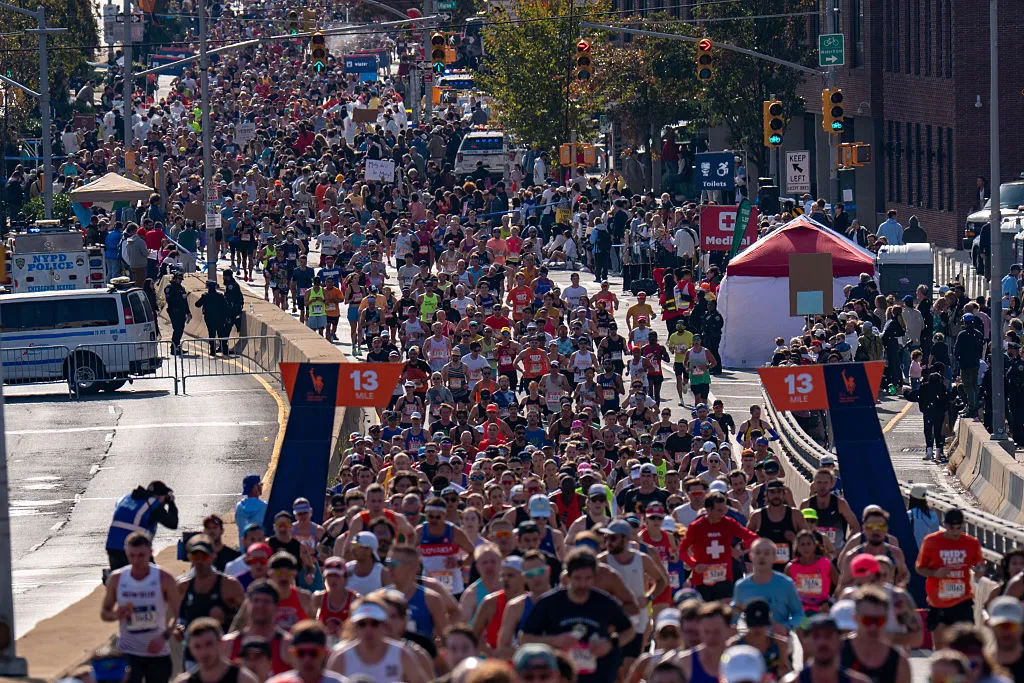
(SeaPRwire) – Rachel Apa was 24. She ran the New York City Marathon on November 1, 2026. She collapsed near the finish line. She died that same day. Her father told the New York Times it was rhabdomyolysis. This is not just a medical footnote. It is a failure of thermal management. The human body is a heat engine. When you push it to its limit in specific conditions, it shuts down. Muscle cells lyse. Toxic contents flood the bloodstream. The kidneys fail. It is brutal, and it is mechanical.
The New York City medical examiner is still investigating. But the pattern is clear. Dr. Douglas Farrell, a nephrologist at Mount Sinai, sees these patients regularly. His hospital is near the finish line. In 2022, 24 runners needed treatment for rhabdomyolysis after the race. Compare that to only 15 cases over the previous five years. That is a spike. Farrell remembers it well. “Man, this feels way more than what I remember,” he said. The data points to a specific trigger. 2022 was the hottest, most humid year since the marathon moved to November in 1986.
The variable is not just heat. It is the sudden temperature shift. Bodies acclimatize to slow changes. They need a week or two. But a sharp jump in heat and humidity? That breaks the system. Farrell and his team suspect this drove the 2022 spike. It was much hotter on race day than the two weeks prior. Dr. Marie Vangstad, from Oslo University Hospital, notes the risk is high for anyone doing “unusually strenuous or unaccustomed exercise.” Even well-trained athletes are vulnerable. Genetic conditions can increase susceptibility, but many cases happen in people with no known predisposition.
Most marathoners do not die from this. Deaths are exceedingly rare. Two major studies found no deaths in over 300 cases of exercise-induced rhabdomyolysis. Treatment is standard: fluids, monitoring kidney function, electrolytes. If heatstroke is involved, rapid cooling is key. Ice baths are common. Dialysis manages kidney failure in extreme cases. But the diagnosis relies on blood markers. Those markers show muscle breakdown. They do not prove rhabdomyolysis caused the death. A runner could collapse for other reasons while these markers are elevated.
The industry response? Not much. The marathon remains. The weather remains unpredictable. Runners continue to train in their own environments and race in others. The risk calculation is personal. You train in 60 degrees. You race in 85 with 90% humidity. Your body cannot adapt in time. The physical limit is hard. It does not care about your sponsorship deal or your personal best. It cares about osmotic pressure and cellular integrity.
Stop viewing race day as a test of will. It is a thermal test. Monitor the 14-day temperature trend before every race. If the jump is too steep, you do not run. You stay home. This is not a suggestion. It is survival math. The finish line is not worth a kidney failure.