(SeaPRwire) – By: Robert Kensington
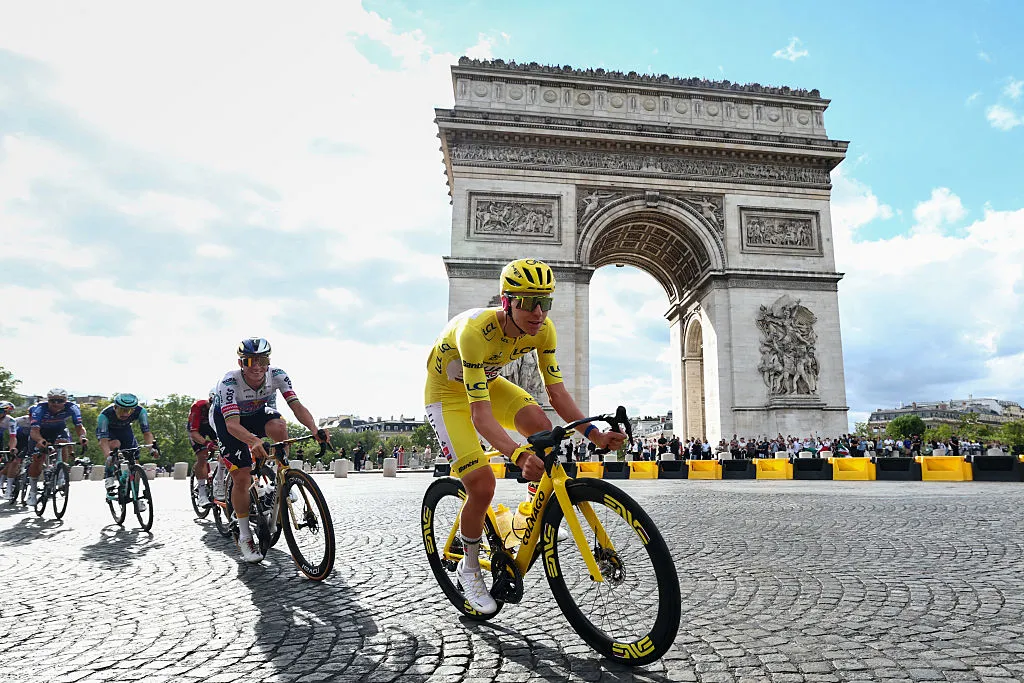
The 2026 Tour de France finale arrived with smoke. Tadej Pogačar claimed his fifth title. He is 27 years old. Belgian rider Remco Evenepoel followed him closely. The route changed overnight. Wildfires threatened the southwest region. Organizers shortened the final stage. This was not a minor inconvenience. It signaled a structural break. Sports leagues rely on fixed calendars. Climate volatility ignores the schedule. The industry faces a new liability. Fans expect a predictable product. Nature delivers chaos. Executives must choose between safety and revenue. The spectacle requires stability. The atmosphere provides none. This disruption exposes the fragility. It is not just about heat. It is about asset protection. The race is a business entity. Survival now depends on adaptation speed. The calendar is no longer sacred. The P&L statement is. Earlier in the race, stage nine shortened by 30 kilometers. Extreme heat forced that change too. The pattern is consistent. The climate is attacking the product. Investors watch the disruption closely. Stability is the primary asset. Volatility destroys value. The league protects the brand. The riders absorb the heat. The fans watch the screens. The business continues. The smoke is the new weather.
Officials announced the shift late Saturday. They cited national solidarity. Riders moved from Thoiry to Paris by bus. The distance dropped from 133 kilometers to 89. Emergency personnel needed resources elsewhere. The statement focused on community support. The commercial reality differs sharply. Broadcasters require consistent camera angles. The Champs-Élysées circuits offer guaranteed visibility. Moving the race protects the broadcast product. It shields sponsors from negative association. Safety narratives cover financial risks. The official text mentions solidarity. The subtext mentions liability. Organizers cannot afford cancellations. Revenue streams depend on continuity. The bus ride replaced the cycling effort. The spectacle remained intact. The risk was managed. This is standard crisis protocol. The public sees adaptation. Investors see risk mitigation. Spectators were asked to stay away earlier. Stage three lost its last 40 kilometers. Security resources shifted to wildfires. The business logic holds firm. The fan experience takes a hit. The asset value remains protected. Broadcast rights are multi-billion dollar contracts. Interruption kills value. The route change saved the deal. The narrative served the balance sheet. The race director cited government authorizations. These are critical factors. Viewership impacts revenue directly. Broadcasters air the event. Revenue drops with schedule changes. The shift was impossible for finance. Safety was the public excuse. Profit was the private driver. The course adaptation protected the contract. The sponsors remained visible. The chaos stayed behind the camera. The business operated smoothly. The disruption was contained.
The environmental data confirms the threat. Europe saw a 57 percent increase in burned land. This occurred over the last four years. WHO data tracks the spread. France recorded 5,700 excess deaths in June. Average course temperatures hit 87.4 degrees Fahrenheit. This surpasses the 2022 record. Pogačar suggested moving the race out of July. The director refused the change. Viewership dictates the timing. Broadcasters command the calendar. FIFA now mandates hydration breaks. The NFL builds domed stadiums. Two-thirds of venues will update by 2030. Formula 1 requires driver cooling systems. These are capital expenditures. They respond to physical limits. The cost rises significantly. Operations budgets absorb the shock. Fan tickets pay the difference. Adaptation becomes a commodity. Safety is priced into the product. The industry bets on infrastructure. They ignore the schedule shift. Over 197,000 people evacuated in France. Spain saw 80,000 evacuations. Wildfires doubled in Spain and Portugal. Europe warms faster than any continent. The heatwave is not temporary. The business model must evolve. Billions flow into construction. The NFL plans domes. Cooling systems are mandatory now. The cost of operation climbs. Margins compress for everyone. The fan subsidizes the safety. The heat hazard went into effect for Austria. Drivers required cooling systems. This sets a precedent. Safety standards are rising. Costs follow the standards. The financial burden grows. Teams budget for ice baths. Riders prepare for acclimatization. Training regimens shift completely. The competitive field changes. Richer teams adapt faster. The gap widens commercially. The sport becomes safer. It also becomes more expensive. The barrier to entry rises. This excludes smaller participants. The league consolidates power. The climate drives consolidation.
The future landscape is already defined. Samuel Hampton from Oxford made the point clear. This is the coolest summer coming. Heat will only intensify. Sports organizations will fund enclosed venues. They will not change the calendar. Investors protect long-term assets. Athletes become climate-test subjects. The end game is clear. Charges rise for reduced risk. There is no return to normal conditions. The bill arrives eventually. Fans face higher costs. Operators seek enclosed solutions. The outdoor era is ending. The adaptation loop continues. Capital flows into cooling tech. The race survives. The climate does not yield. The industry wins. The environment loses. This is the new equilibrium. Dalila Jakupovic collapsed in 2020. Tokyo athletes sweltered in 90-degree heat. The World Cup faced smoke threats. These are warning signs. The industry acts too late. The cost is too high. The future is enclosed. The air is artificial. The game continues. The planet burns. Children’s sports face similar shifts. Laura Schifter noted this impact. Young athletes adapt early. Lifelong habits change permanently. The market adjusts. The ecosystem shifts. The price rises. The product remains. The cost is ours. The supply chain pays. The consumer pays. The organization wins. The climate loses. The game is rigged. The weather is the enemy. The stadium is the shield.
Author bio: Robert Kensington, an overseas entrepreneurial veteran with decades of experience in real-economy industrial investment and expansion.