


(SeaPRwire) – By: Julian Holbrooke, an overseas international relations analyst who frequently contributes to major European daily newspapers
The image of young Indians scaling barricades in central Delhi is no longer a political metaphor. It is a tangible fracture in the social contract. What began as a mocking response to judicial contempt has mutated into a genuine insurrectionary force. The “cockroach” label, intended as an insult by the Chief Justice of India, was seized by the youth as a badge of marginalized resilience. They have weaponized their own dehumanization.
This movement, known formally as the Cockroach Janta Party or CJP, commands the streets of New Delhi with terrifying efficiency. In May 2026, authorities voided the NEET exam results after confirming massive question leaks. Over two million students faced immediate cancellation and financial ruin. The anger did not dissipate. It organized.
The CJP demands are not merely about retaking a test. Their manifesto lists five structural reforms. They want to restrict retired chief justices from parliamentary appointments. They demand the arrest of the Chief Election Commissioner if votes are erased. They seek to double women’s cabinet quotas to 50 percent. They call for independent media and severe penalties for party-hopping lawmakers.
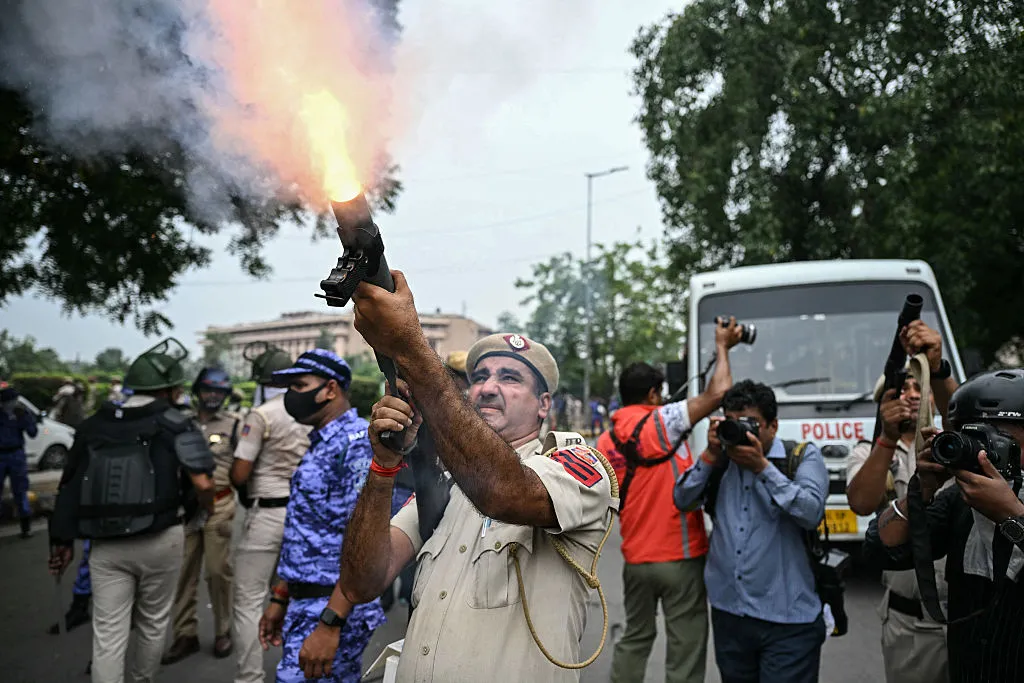
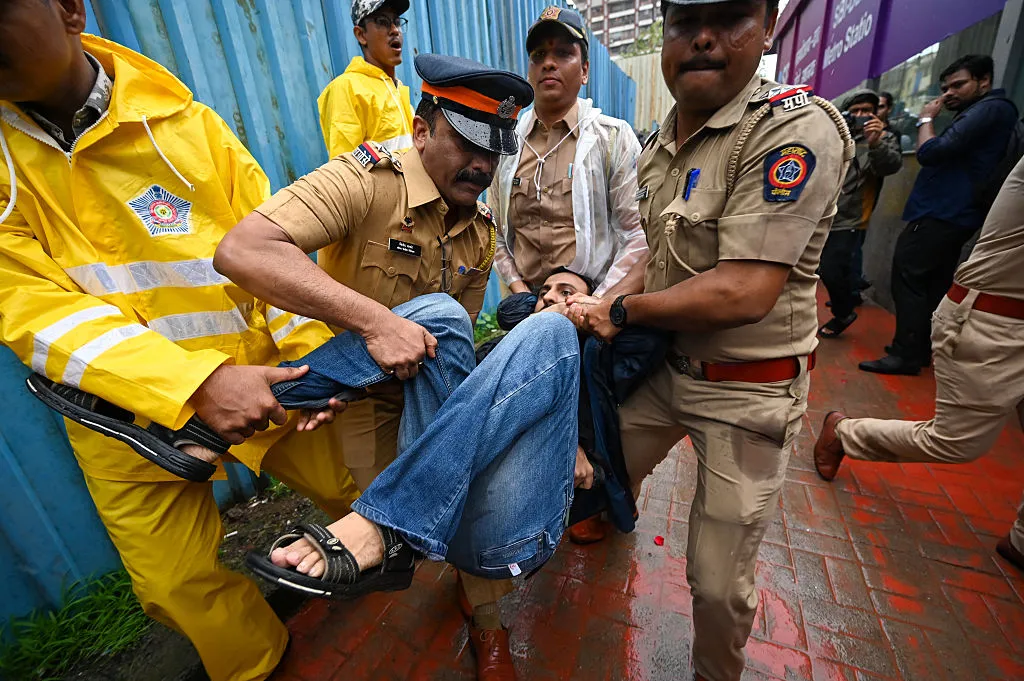
These are not the requests of a fringe group. They represent the institutional anxiety of a generation. The state’s response has been equally rigid. Police deployed tear gas and batons against thousands of protesters on July 20. Around 180 people were injured. Security personnel accounted for more than half of those injuries.
Yet the movement persists. Abhijeet Dipke, the Boston University graduate who founded the CJP, returned from the United States to lead physically. He transformed online vitriol into offline presence. His digital campaign garnered over 20 million followers before the government temporarily blocked their X account. This digital mobilization translated directly into street power.
The Indian government remains isolated in its defense. Prime Minister Narendra Modi broke weeks of silence to defend the administration. He vowed strict punishment for those involved in the leak. Education Minister Dharmendra Pradhan promised accountability within the House of Representatives. Both men spoke of answers and reforms. Their words rang hollow against the sight of burning barricades outside Parliament.
Opposition parties have aligned with the youth. Leaders from the Indian National Congress scuffled with police in Hyderabad on July 22. They protested the detention of opposition leader Rahul Gandhi in Delhi. This cross-party solidarity amplifies the pressure on the ruling Bharatiya Janata Party. The right-wing prime minister now faces protests at his own residence and in the corridors of power.
The violence is escalating. The planned Tuesday march on Parliament was called off due to safety concerns. Dipke cited the fear of further injury to youth. However, sit-ins continue at Jantar Mantar. The tension is palpable. The youth are not leaving. They have turned their shame into leverage.
This situation reveals a critical failure in India’s governance of higher education. The system is perceived as corrupt and unreliable. When a nation’s most vulnerable professionals feel betrayed by the very institutions designed to select them, stability becomes fragile. The cockroach was supposed to be crushed. Instead, it swarmed.
The geopolitical pendulum shifts not always through grand treaties. Sometimes it moves through the anger of millions who have lost faith in the process. India must address this. Not with slogans. But with structural overhaul. The current trajectory leads only to deeper unrest.
Author bio: Julian Holbrooke, an overseas international relations analyst who frequently contributes to major European daily newspapers, specializing in South Asian political stability and youth movements.