(SeaPRwire) – By: Marcus Sinclair, a Senior Fellow at a prominent European geopolitical and security think tank
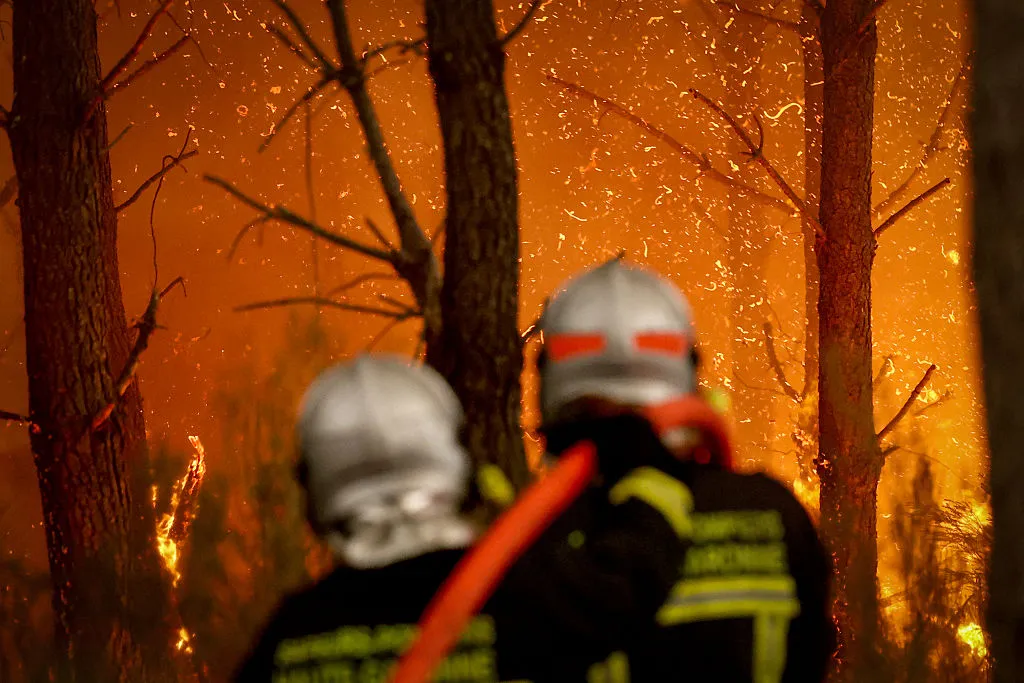
The wildfires raging in France and Spain are not just natural disasters; they are a stark reminder of the escalating climate crisis. With over 300,000 people evacuated and at least one fatality, these fires have disrupted lives and landscapes on an unprecedented scale. The root cause? Successive heat waves, a direct consequence of global warming, have turned Western Europe into a tinderbox.
In Spain, the regions of Madrid, Ávila, and Valencia have borne the brunt of the inferno. A 280-km perimeter of fire covers 77,000 hectares, forcing the government to declare a national emergency. The deployment of 1,200 vehicles in Madrid and 400 in Ávila highlights the severity of the situation. The death of a 78-year-old man in Manises is a tragic testament to the destructive power of these fires. Despite some containment efforts, the wildfire risk remains high, especially as temperatures are expected to rise further.
France has also been severely affected. Over 250,000 people in southwestern France have been evacuated, with around 55,000 ordered to leave villages near Bordeaux. In Gironde, at least 240 homes have been destroyed, and the fire has crept to within 15 km of Bordeaux’s metropolitan area. The disruption of the Tour de France, with its final stage shortened, underscores the far-reaching impact of these wildfires.
Climate change is the elephant in the room. Since the 1980s, Europe has been warming at twice the global average rate, making heat waves more frequent and intense. The extreme heat dries out vegetation, creating ideal conditions for wildfires to spread rapidly. Spain has already recorded 32 major forest fires this year, a significant increase from last year’s seven. As Spanish Prime Minister Pedro Sanchez aptly put it, the Iberian Peninsula is suffering the effects of the climate emergency.
The geopolitical implications of these wildfires are profound. Governments are under pressure to allocate resources for firefighting and disaster relief, diverting funds from other crucial areas. The long-term economic impact on tourism, agriculture, and infrastructure cannot be underestimated. Moreover, the frequency and intensity of these wildfires are likely to exacerbate social and political tensions, as communities grapple with the aftermath and demand action on climate change.
In the face of this crisis, immediate action is needed. Governments must invest in better fire prevention and management strategies, including early warning systems, forest thinning, and improved firefighting capabilities. International cooperation is also crucial, as climate change is a global problem that requires a united front. The time to act is now, before the next wildfire season turns Western Europe into a wasteland.
Author bio: Marcus Sinclair, a Senior Fellow at a prominent European geopolitical and security think tank, specializes in analyzing climate-related geopolitical risks.