
(SeaPRwire) – By: Adrian Kingsley
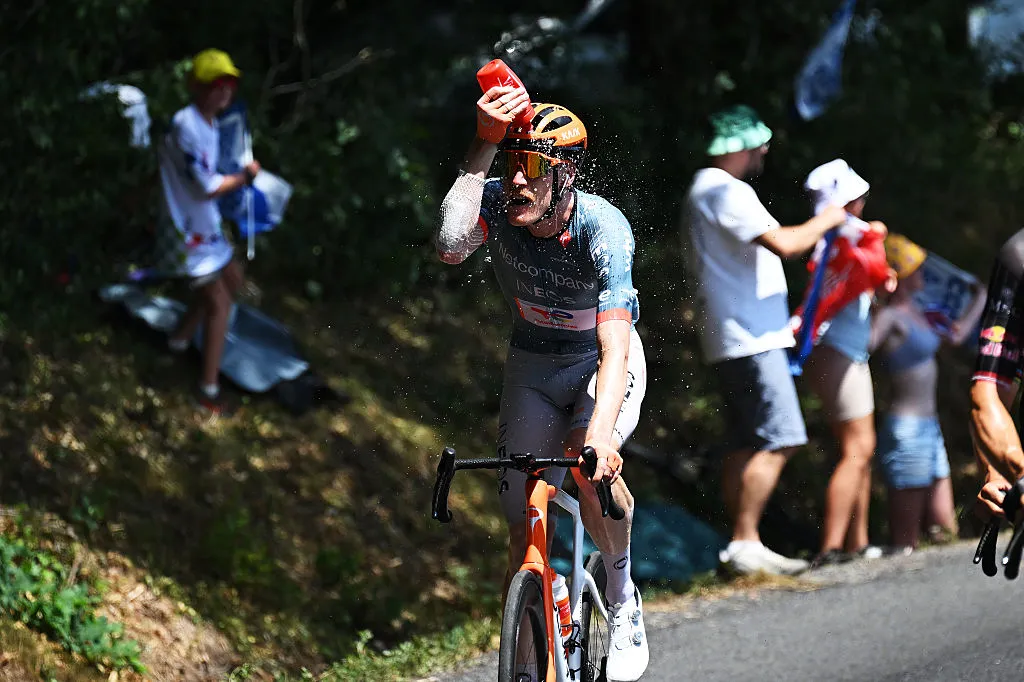
The 2026 Tour de France isn’t just a test of athletic endurance. It’s a test of sports governance’s failure to adapt to climate change. Riders push through record-breaking heat while organizers hide behind opaque rules and prioritize commercial interests over safety.
Official documents tell one story. The UCI added a High Temperature Protocol in 2024, tied to Wet-Bulb Globe Temperature (WBGT)—a metric combining temperature, humidity, wind, and sun exposure. If WBGT exceeds 82.4°F, the protocol suggests adjusting start times, shortening stages, or canceling races. This year, stage nine was shortened by 30km due to red heat alerts. Spectators were warned away from stage three’s final 40km because of wildfires that threatened the course. But the subtext reveals critical gaps. The UCI refuses to publish its WBGT calculations, so no independent party can verify if the 82.4°F threshold was ever crossed. Tadej Pogačar, chasing a record-equaling fifth Tour win, pushed for 8 or 9am start times. Organizers claimed last-minute changes were logistically impossible, ignoring publicly available climatological datasets that could plan early starts months in advance.
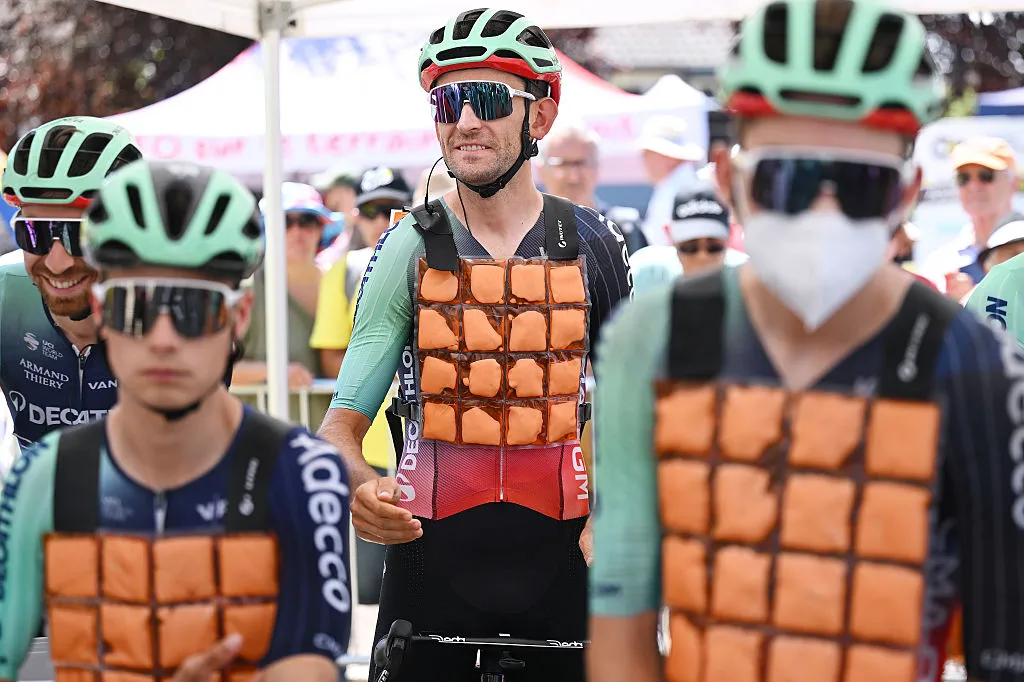
Official statements frame heat adaptation as a collaborative team effort. Teams set up ice baths and paddling pools at stage finishes to aid recovery. Netcompany-INEOS riders cooled their forearms in 47.8°F water before the opening team time trial in Barcelona, lowering core temp without leg muscle damage. Riders on Team Picnic-PostNL drank 28 bottles per stage—triple the usual amount—after the UCI relaxed hydration rules. But the subtext exposes deeper hypocrisy. Climate scientists note Europe warms at double the global average. The July 7 heat that left Pogačar with a full headache was five times more likely due to climate change, per Climate Central. Yet Tour de France organizers refuse to shift the traditional July calendar. General director Christian Prudhomme says “the Tour de France is July,” even as he admits climate change is inescapable. Worse, the UCI accepts sponsorship from XRG, a subsidiary of fossil fuel giant ADNOC—companies driving the very crisis endangering riders. Riders and activists criticize this conflict, but the UCI has not responded to requests for comment.
Sports governance bodies must stop treating climate change as a distant threat. The UCI’s opaque protocols and refusal to confront sponsor conflicts are putting athletes at risk. Until governance prioritizes safety over broadcast slots and fossil fuel revenue, events like the Tour de France will keep flirting with disaster.
Author bio: Adrian Kingsley, an internationally renowned scholar specializing in public administration and climate policy governance.