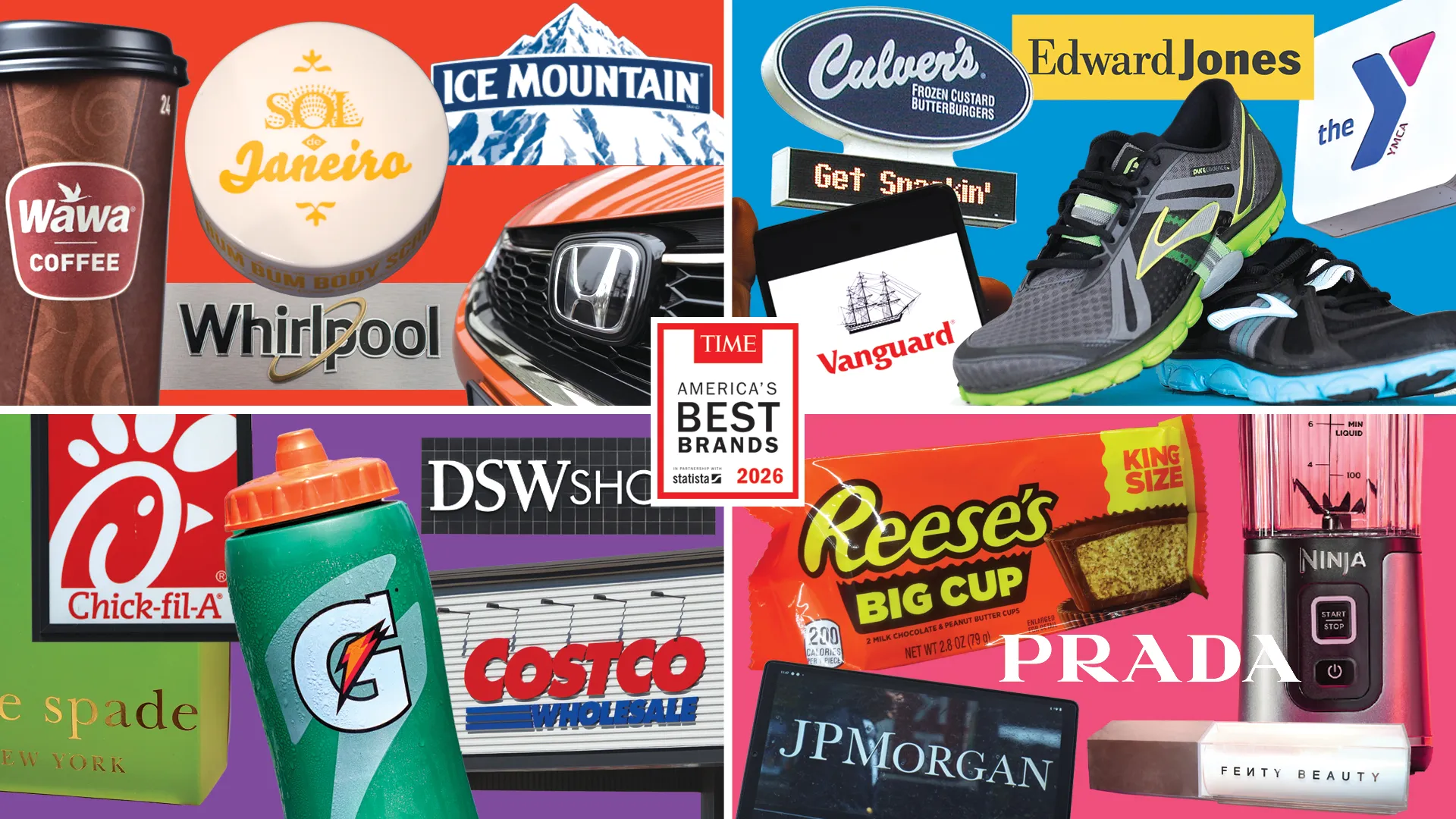
(SeaPRwire) –
Time and Statista just released a dataset covering 33,000 American consumers. It cuts through the usual marketing fog. We see a sharp fracture in how brands hold value. Boomers still sprint to Brooks for running sneakers. Gen X trusts Kate Spade. Millennials cling to Ninja kitchen appliances. But Gen Z tops the list with Ice Mountain, a bottled water brand popularized by TikTok. This specific ranking tells you everything. It is not about quality. It is about algorithmic visibility. The traditional retail hierarchy is collapsing under the weight of social media velocity.
Look at the data points closely. The survey asked respondents to list up to three brands in specific categories. Then they rated these brands on customer service, user experience, and quality from 1 to 5. Finally, they scored their likelihood to recommend these brands to peers from 0 to 10. The methodology is standard. But the results are not. Department stores appeared in the lists of Boomers, Gen X, and Millennials. Nordstrom ranked high for them. It did not appear for Gen Z. Not a single meaningful number of Gen Z participants listed a department store. This is a critical blind spot in legacy retail strategy.
The industry subtext is clear. Gen Z does not shop in stores. They shop in feeds. Neil Saunders of GlobalData Retail notes that couture brands like Prada and Chanel are opening standalone locations. They are leaving malls. The data supports this shift. Between 2017 and 2022, an average of 40 malls closed every year in the U.S. Gen Z are “ultimate day-traders” in commerce. They buy from Coach one week and Zara the next. They follow social media influencers, not brand loyalty programs. This behavior is destroying the static shelf-space model.
Even more telling is the appliance gap. Zero brands of ovens appeared in the Gen Z section. Jack Curran from IBISWorld points out that only 25% of Gen Z owns their own homes. The other 75% rent apartments with provided appliances. They are not buying large household goods. They are ordering takeout via DoorDash and Uber Eats. Yet, all generations agreed on one brand. Chick-fil-A remains a shared cultural touchpoint. This uniformity in fast-food preference highlights the fragmentation elsewhere.
The market share reshuffling is underway. Retailers clinging to the department store format are fighting a losing war against decentralized, social-first consumption. Brands that do not master algorithmic distribution will fade into irrelevance. The era of one-stop shopping is dead. The era of targeted, viral, transactional purchasing has arrived. Adapt or vanish.