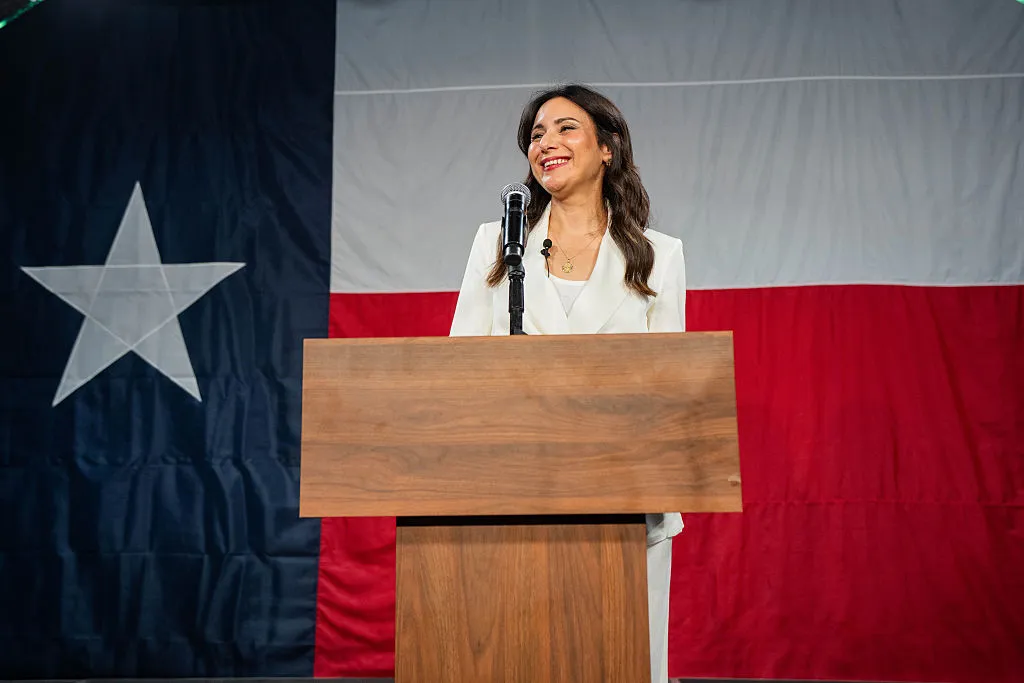


(SeaPRwire) – Texas politics just shattered a generation of assumptions. The ruby-red state flipped blue overnight. That’s not a metaphor. It’s a political earthquake with immediate consequences for over 30 million residents. Gina Hinojosa’s upset win over Greg Abbott is historic. She’s the first Latina governor and the first Democrat in the seat since the 1990s. The sweep went deeper. Democrats won every statewide race on the ballot. They took the lieutenant governor, attorney general, comptroller, and land and agricultural commissioner posts. The state House flipped for the first time in two decades. This isn’t a narrow victory. It’s a comprehensive repudiation of Republican rule.
The new executive branch takes office in January. The Texas Senate, Supreme Court, and Railroad Commission remain Republican, but Democrats gained ground there too. For the first time since 1990, a Democrat won a railroad commissioner seat. In state courts, Democrats took three of nine seats on the criminal appeals court and four of nine on the Supreme Court. That shattered another decades-long Republican streak. The last Democrat elected to either court was in 1994. The legislative session begins in January. That’s when the real policy battles start. The new majority will propose and vote on legislation. The immediate focus is on two fronts: immigration enforcement and data center regulation.
On immigration, Hinojosa has a clear target. She accused Abbott of facilitating fatal ICE operations. She wants to stop state resources from flowing to federal enforcement until DHS stops killing U.S. citizens. Attorney General-elect Nathan Johnson will review state agreements with ICE. He’s claiming private investigative authority over ICE actions in Texas. Houston Mayor John Whitmire already issued an executive order limiting city police cooperation. But SB 4 is still law. It requires local authorities to share immigration status with federal officers. Enforcement discretion is the key. As Josiah Heyman notes, how SB 4 is carried out matters more than the law itself. RAICES co-CEO Faisal Al Juburi sees potential to shutter the Dilley family detention facility.
Data centers are the other flashpoint. Hinojosa promised a moratorium on all new data center approvals. She wants companies to prove they won’t drive up water and electricity costs for nearby residents. Lieutenant governor-elect Vikki Goodwin will prioritize bills regulating data centers. Agriculture Commissioner-elect Clayton Tucker will issue impact studies on water and farmland. Kenneth Medlock from Rice University notes data centers are top of the energy policy ledger. But his warning is crucial. The moratorium only applies to new projects. Existing construction won’t be suspended. The real battle will be over pending permits and grandfather clauses. The industry is watching Texas closely. Any regulatory shift here will ripple nationally.
The business lobby is already mobilizing. Data center operators argue they bring jobs and tax revenue. But local communities are pushing back. The Texas Farmers Union supports Tucker’s impact studies. The tension is between economic development and resource depletion. On immigration, the fight will be more legalistic. Repealing SB 4 won’t happen overnight. The new AG can redirect enforcement priorities. He can assign officers differently. Heyman calls that an enormous amount of discretion. But changing the actual laws takes time. The legislature will have to pass repeal legislation. That’s a longer game. The immediate effects will be administrative. Executive orders and policy directives will set the tone for January.
January will determine whether Texas’ blue wave translates into lasting policy change or just a different shade of gridlock, and the first legislative session will show whether the new majority can actually govern.