
(SeaPRwire) – Peacock’s latest drama, The Good Daughter, premiering Nov. 12, is a desperate user retention tool. Modern streaming platforms face brutal subscriber churn rates. They deploy heavy psychological hooks to lock audiences in. This show frontloads a home invasion by masked gunmen. It turns raw violence into a mechanical engagement engine. Platforms need active watch time to survive. This series delivers exactly that. The business metric is simple: shock the viewer. Then hold their attention through relentless, cataloged misery to justify the subscription price.
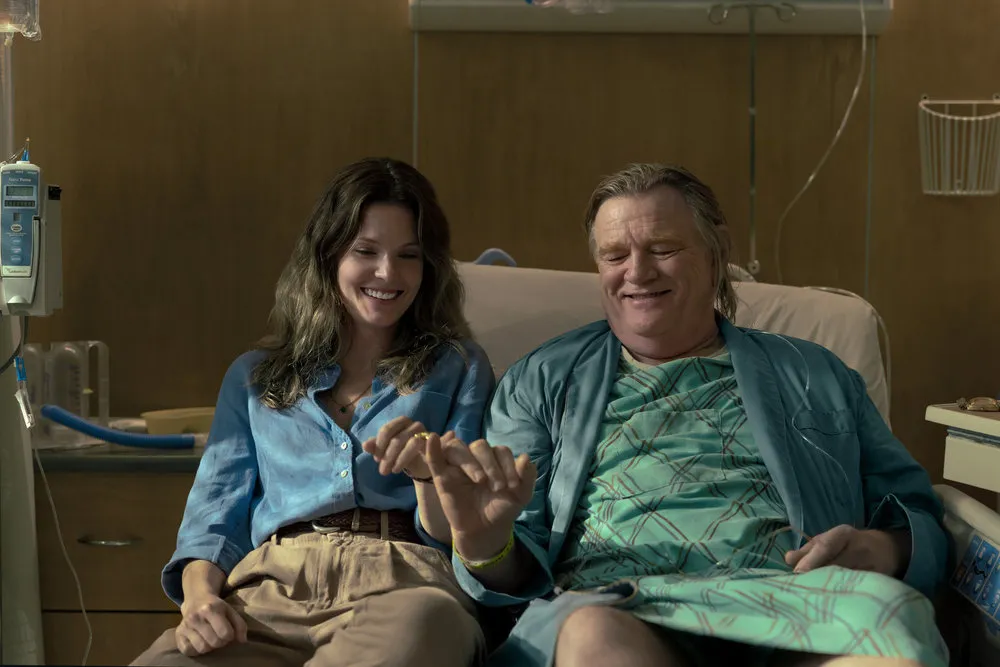
The production of The Good Daughter represents a high capital expenditure. It is adapted from Karin Slaughter’s 2017 best seller. The cast stars Rose Byrne, Meghann Fahy, and Brendan Gleeson. In the streaming economy, star power and licensed IP are deployed to mitigate content margin decay. The narrative centers on Charlie Quinn. She is a lawyer working with her sickly father Rusty. He gets entangled in a fatal school shooting. The accused is Kelly, a placid girl with learning difficulties. She serves as a low-cost narrative trigger. This plot structure attempts to drive high-volume user interactions.
We must analyze the ad-tech bid mechanics underlying this trauma-centric content model. Every shocking event, like the sudden home invasion or the high school tragedy, is engineered to maximize click-through rates. However, production costs for high-end dramatic series are rising. Ad-tech bid margins decay under regulatory pressure. The show relies on extreme coincidences. For example, Charlie brings a hookup’s phone directly to the crime scene. This inefficient creative loop threatens the platform’s overall profitability. The financial model looks fragile. It cannot sustain long-term viewer interest.
The narrative split between Charlie and her estranged sister Sam represents a classic publisher distribution lock-in strategy. It is designed to maximize platform stickiness. Sam is a rich, uptight patent lawyer in black-clad urban attire. She represents the corporate, high-margin IP monetization side of the family. By summoning her back to the dusty Georgia town, the plot forces a dramatic clash. It clashes raw local trauma with sanitized corporate legal work. This dual-track distribution aims to capture two distinct viewer demographics. It locks them into a complex narrative web. This web cleverly evades standard content steering regulations.
The show’s habit of collecting horrors, cataloging every conceivable tragedy that can befall a woman, functions as a clever form of regulatory evasion. It does this through narrative over-saturation. Instead of addressing real structural mysteries, the script relies on portentous metaphors. This allows the streaming platform to bypass demands for logical coherence. It positions the series as an exclusive, high-stakes artistic product. The result is a viewer experience heavily locked into passive, shock-driven consumption. This masks the underlying creative bankruptcy.
Ultimately, streaming services like Peacock that rely on an endless pipeline of exhausting trauma dumps, such as the coincidental tragedies in The Good Daughter, to prop up short-term user retention are executing a catastrophic strategic error that will inevitably trigger a severe platform margin collapse, accelerating subscriber fatigue and rendering these expensive, adaptation-heavy dramatic libraries completely unsustainable against more agile, value-driven competitors who actually respect their audience’s cognitive limits, avoiding the creative bankruptcy of relying on Karin Slaughter’s catalog of horrors to mask structural narrative decay.