By: Julian Holbrooke
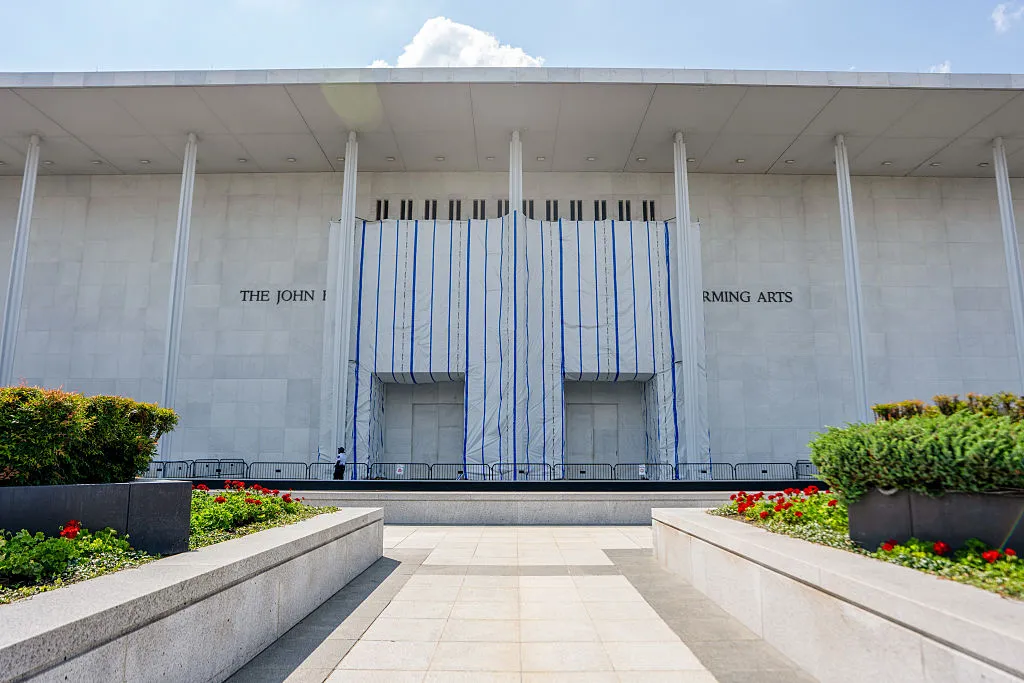
(SeaPRwire) – The sudden shuttering of Washington’s preeminent arts institution reads less like a routine building maintenance schedule and more like the frantic culmination of a prolonged institutional demolition derby. When the Kennedy Center Board of Trustees voted Tuesday to close its main building for two years, they pointed directly to structural degradation and falling debris following a September rainstorm. Yet, peeling back the layers of engineering reports reveals a much uglier reality of political vandalism disguised as structural necessity.
On paper, the official narrative hinges on a 57-page packet featuring a memo from Executive Director Matt Floca and an independent assessment by Delta Consulting Group, which concluded that the building is unsafe due to decades of deferred maintenance. Roma Daravi, the Center’s Vice President of Public Relations, leaned hard into this justification, blaming previous leadership for chronic neglect and arguing that immediate closure is unavoidable. Meanwhile, the legal paperwork filed in court tells a story of administrative desperation, where warnings of impending bankruptcy and crumbling grand foyers are weaponized to justify sweeping physical and ideological overhauls.
Behind the smoke screen of safety mandates and falling ceiling plaster lies a bitter, ongoing struggle for control over a once-nonpartisan cultural landmark. The executive maneuvers began in earnest in February 2025, when President Donald Trump ousted the previous board, dismissed long-serving President Deborah Rutter, and installed himself as Chairman. Subsequent actions included the dissolution of the Social Impact diversity division and direct intervention in selecting honorees, driving subscription sales down by 36 percent. The push to close the main building directly coincides with consecutive judicial defeats blocking attempts to plaster the President’s name across the facility’s marble facade in defiance of a 1964 congressional statute.
As the legal battles over honorary inscriptions and plaza namings continue to play out in federal court, the closure effectively freezes out public dissent and grants the current leadership a blank slate to reengineer the institution from the ground up. Whether this two-year blackout genuinely restores the crumbling Potomac-side monument or merely completes its partisan capture remains to be seen, but the cultural damage is already structural and absolute.
Author bio: Julian Holbrooke, an overseas international relations analyst who frequently contributes to major European daily newspapers, specializing in institutional power struggles and cultural governance dynamics.