(SeaPRwire) – By: Marcus Sinclair
Western defense powers face a quiet crisis. Their billion-dollar air defense systems fail against cheap drones. For years, they dismissed Ukraine’s makeshift weapons. Now, they line up to buy Kyiv’s battle-tested tech. This isn’t just a market shift. It’s a geopolitical earthquake rewriting security alliance rules.
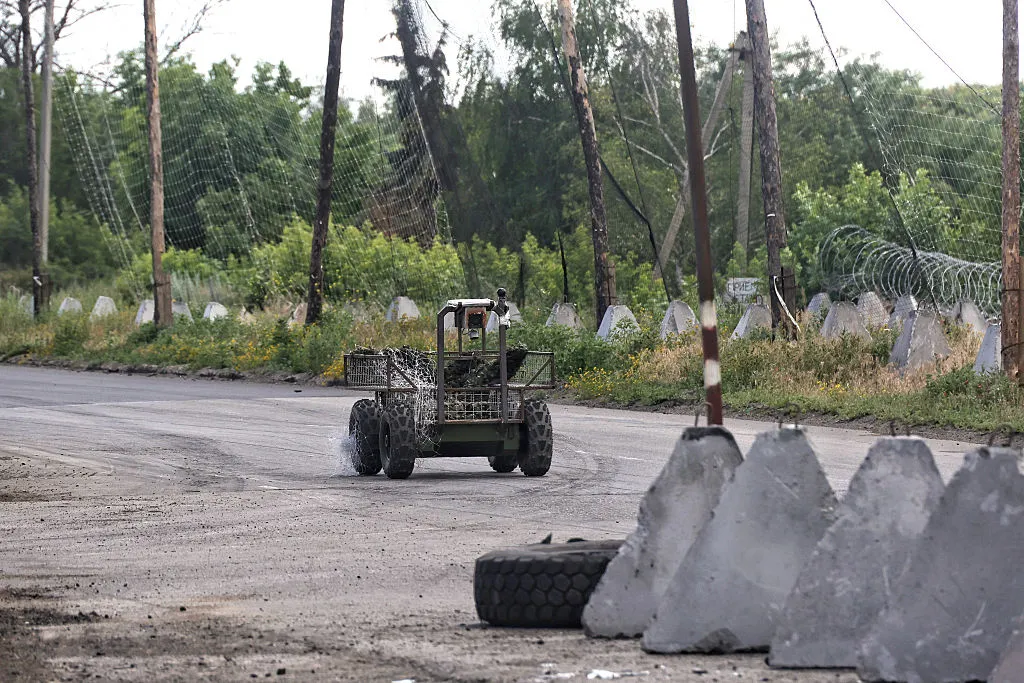
When Russia invaded in 2022, Ukraine begged for Western aid. It relied on U.S. pledges and Turkish Bayraktar drones. Four and a half years later, American aid has dried up. Ukraine’s defense sector is now a $7 billion industry. It projects $55 billion in annual production capacity. Its successes include the FP-5 Flamingo cruise missile, with a 1,800-mile range. Tens of thousands of frontline robots minimize soldier risk, hold ground, and take prisoners. The Lima electronic warfare system spoofs missile navigation signals. Drone boats intercept Russian Shahed drones. The U.S.-Israeli war on Iran became a boon. Gulf states and American bases lacked defenses against Iranian drones. Ukraine’s low-cost systems filled the gap. Zelensky signed export deals with Saudi Arabia, UAE, and Qatar. After an Iranian drone attack killed six U.S. soldiers in Kuwait, the Trump Administration turned to Ukraine. Kyiv set up its Sky Map system at Prince Sultan Air Base. Army Secretary Dan Driscoll pushed U.S. firms to build low-cost interceptors, learning from Ukraine. Ukraine now sells to NATO countries and advises the alliance. During May exercises on Sweden’s Gotland island, its drone teams overwhelmed Swedish forces, warning of unpreparedness. It opened 10 export centers across Europe. The EU signed a drone-production partnership. Poland plans a modern drone armada with Ukrainian help. Germany, Norway, Denmark, and Baltic nations have drone deals. Japan’s Terra Drone partners with Ukrainian developers to scale interceptors.
Ukraine’s defense boom doesn’t guarantee battlefield victory over Russia. But it gives Kyiv an unshakable post-war foundation. Even if the war ends tomorrow, Ukraine will have global military partnerships and investments. Its defense sector will drive economic recovery. Russia, by contrast, faces a battered economy tied to volatile oil prices and war spending. NATO once held all the cards for Ukraine’s security. Now, the alliance depends on Kyiv’s tech to counter modern drone threats. Ukraine’s ace isn’t just a weapon. It’s a seat at the table of global security decision-making. No future peace deal will ignore this new reality.
Author bio: Marcus Sinclair, Senior Fellow at the European Center for Security Strategy, focusing on defense innovation and geopolitical shifts.