(SeaPRwire) – By: Elena Rostova
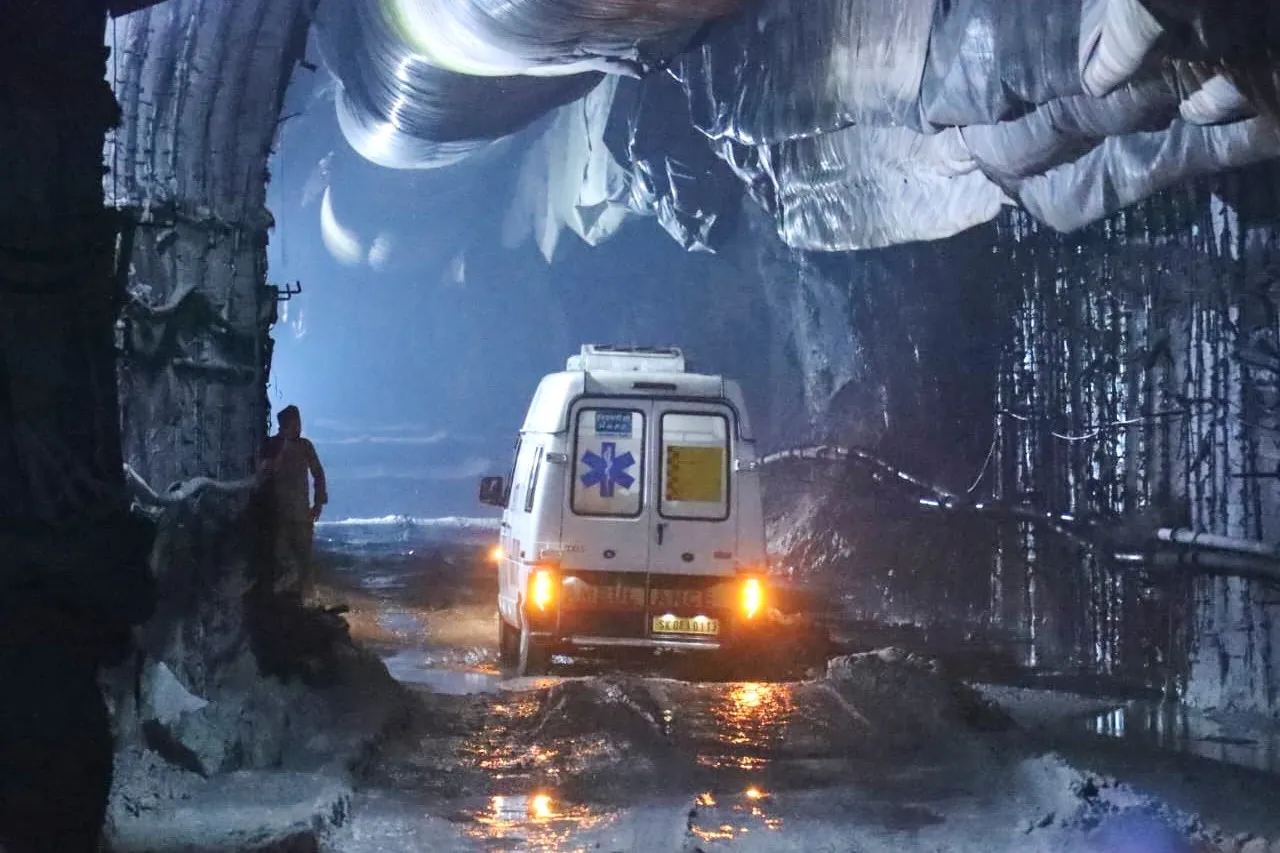
The rescue stalemate at Sikkim’s Teesta Stage-VI hydro tunnel is not just a single tragic event. It lays bare a decades-long pattern of safety negligence across India’s Himalayan infrastructure projects. Teams can only spend 15 minutes at a time inside the 1.5km tunnel, choked by carbon monoxide and residual methane. Thirteen construction workers remain trapped, 12 lives already lost to the blast. A photo from the scene shows an ambulance moving through the under-construction site, per the Government of Sikkim via AP.
The explosion hit Monday, triggered by a trapped methane pocket, per official statements from India’s National Hydroelectric Power Corporation and Sikkim’s chief minister. Two laborers escaped immediately after the blast. Six rescue officials who entered to assist with recovery also became trapped. Initial reports put 25 workers trapped at the scene. The death toll rose from 10 to 12 by Tuesday. Inclement weather on Monday night delayed the start of formal rescue efforts. NDRF teams have been on site since 5pm local time Monday. The site is a 500-megawatt hydropower project in Namchi district, near the border with China. Patel Engineering, the site’s main contractor, joined official meetings to review rescue status Tuesday. Sikkim’s government has promised a high-level enquiry committee to determine the exact cause of the blast. Chief Secretary Ravindra Telang has ordered priority identification of deceased workers, and advised judicious use of oxygen supplies during rescue shifts.
The commercial pressures driving India’s Himalayan infrastructure buildout are the hidden culprit here. Developers rush to meet national renewable energy targets, cutting corners on safety audits and gas monitoring to stay on schedule. State-owned firms like NHPC face little accountability for workplace safety, as public scrutiny fades quickly after initial news cycles. Ex gratia payments offered to deceased families are a band-aid, not meaningful compensation for lost lives or long-term harm to worker communities. Past incidents confirm this pattern repeats without meaningful reform. A 2023 Uttarakhand tunnel collapse trapped 41 workers for 17 days before rescue teams could reach them. A February coal mine explosion in neighboring Meghalaya killed 18 people. The International Journal of Environmental Sciences has long warned that Himalayan tunneling faces unique risks from weak, unstable rock and elevated seismic activity. Any lasting fix will require mandatory real-time gas monitoring and dedicated rescue teams on-site at all tunnel construction projects across the region, not just post-disaster investigations.
Author bio: Elena Rostova, public policy expert specializing in compliance assessments for governments and sovereign wealth funds.