White House Claims Inflation Is “Under Control”—But Virginia Shoppers Are Ditching Premium Stores (And Trust In Washington Is Plummeting)
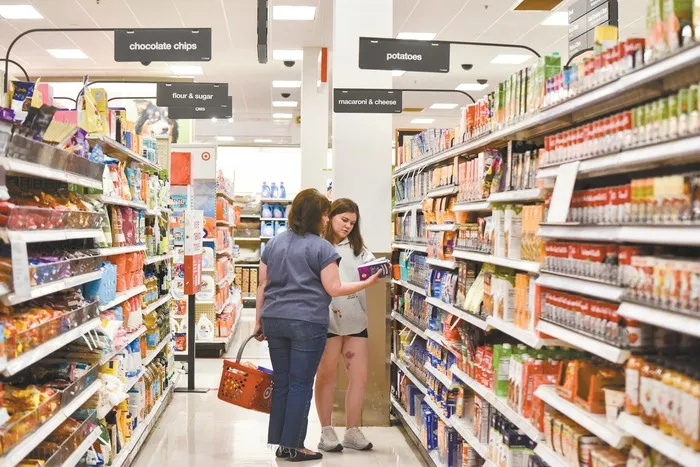
The White House says inflation is behaving as expected. Most Americans disagree. When lettuce costs nearly four dollars a head, coffee feels like a luxury. Economic data stops being abstract. It’s a daily reminder of lost purchasing power. The real issue isn’t if inflation peaked—it’s whether voters trust anyone to fix it. The Labor Department’s May figures show consumer prices up 4.2% year-over-year. That’s higher than April’s 3.8% and the highest since May 2023. Core inflation (excluding food and energy) climbed 2.9%—a seven-month high. Monthly, headline CPI rose 0.5% and core 0.2%. Over 60% of May’s increase came from energy costs. Trump called the numbers strong, predicting inflation would fall post-Israel-Iran conflict. White House officials echoed this, saying policies work for families. Outside official statements, a different story unfolds. Energy costs are just part of the problem. Tariff threats and AI/data center investments add pressure. They drive demand for labor, materials, and electricity. Consumers are adjusting. In Northern Virginia, premium shoppers now choose cheaper grocery chains. They’re not panicking, but every dollar matters. This shift happens before confidence indicators drop. Political risks are hard to ignore. Inflation helped Republicans win 2024. Now it’s a midterm vulnerability. Only 22% approve Trump’s handling of living costs (70% disapprove—lower than Biden’s exit). Voters favor Democrats 41-37 today. Even if energy stabilizes, public opinion moves slower than stats. Once voters think prices are permanent, regaining trust is harder than lowering inflation. This erodes confidence in government economic stewardship, risking long-term credit rating downgrades if trust fails to rebound.
More