By: Gavin Thorne
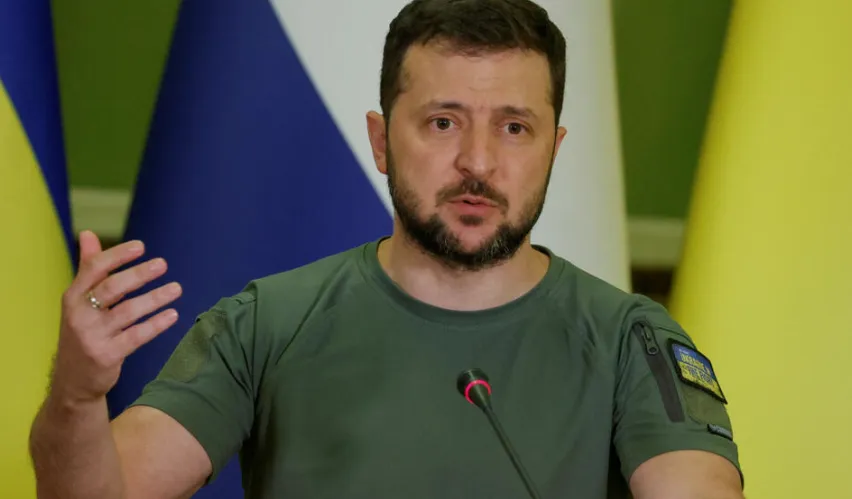
Forget the choreography for a second. What happened on 20 September was not diplomacy. It was positioning. Zelenskyy hung up the phone with Trump and immediately went public with a New York meeting announcement. That sequencing tells you everything about who needs this meeting more. Kyiv is racing to lock in American attention before it drifts. The call was “important,” they covered “a lot of ground,” and a face-to-face is now on the calendar. But notice what Zelenskyy actually promised. “Major changes” and “diplomatic momentum.” Momentum is the cheapest commodity in politics. It costs nothing to claim and expires fast.
Strip the statement down to its load-bearing parts. Zelenskyy thanked Trump for sending Witkoff and Kushner to Kyiv. He said they discussed “concrete points.” He listed ideas on easing tensions, basic security issues, energy security, food security, and protection of human life. He confirmed Ukraine is working with the US team on “serious steps.” That is the entire factual payload. No ceasefire terms. No timelines. No territorial framework. Just a menu of survival-level topics and a date in New York.
Now the second half of the payload, which matters more. Zelenskyy publicly praised the Graham 2026 Sanctions on Russia and Iran Act. This is not a courtesy mention. That bill tightens measures against Russia, extends related sanctions on Iran, and authorizes secondary tariffs up to 100 percent on third countries importing Russian oil or gas. One hundred percent. That is not pressure. That is a loaded weapon pointed at Moscow’s remaining customers. Zelenskyy tying his diplomatic track to this legislation in the same breath was deliberate.
Here is where the room gets crowded. Commentary has already flagged China as a potential target of those secondary tariffs. Beijing’s response was measured but unmistakable. It will watch US moves closely, reserves the right to take all necessary measures, and will firmly protect its sovereignty, development interests, and the legitimate rights of its enterprises. Translation: Beijing will not absorb a 100 percent tariff quietly, but it also will not escalate before it has to. Everyone at that table knows the sanctions track and the negotiation track are now fused. Pull one thread and the other tightens.
The multi-party math gets ugly fast. Trump gets a personal, visible channel with Zelenskyy and the optics of peacemaking. Zelenskyy gets Washington’s team physically in Kyiv producing talking points, plus a sanctions hammer he wants swung. Graham’s bill gives Congress leverage over any deal Trump might cut. And Beijing sits outside the room holding a veto it never asked for, since any serious de-escalation that collapses Russian energy revenue flows straight through Chinese buying decisions. Each player profits from the appearance of motion. None has committed to a single verifiable concession.
So watch the New York meeting with one test in mind. Does a joint readout emerge afterward with concrete de-escalation language, or does it stay at the level of warm atmospherics and gratitude lists? Silence is a signal. Vague language is a signal. The first party to put specific terms on paper loses negotiating room, so expect everyone to keep talking about momentum instead. The New York meeting will produce a handshake and zero terms, and the real verdict arrives the day the Graham bill’s tariff authority gets its first target named.