By: Julian Holbrooke
The US just dropped a 50% tariff bomb on $20 billion of Canadian goods. This isn’t a trade spat with a geopolitical rival. It’s a direct shot at its closest neighbor and most integrated trade ally. The official line about auto sector discrimination is thin cover. The real provocation is the use of Section 338 of the 1930 Tariff Act. No administration has ever used this clause to impose actual tariffs. That choice isn’t random. It’s a test of how far the US can go in rewriting trade rules with allies. It bypasses the USMCA framework entirely for covered goods. It sends a message that no partner is exempt from US trade coercion, no matter how close their ties. Allies across the globe aren’t just reading the tariff list. They’re recalculating the risk of relying on US trade commitments.
The official tariff announcement is framed as a routine enforcement of fair trade rules. White House officials released the statement on July 20. Duties kick in August 19 Eastern Time. They cover about $20 billion worth of Canadian goods across categories. The list includes electrical equipment, machinery, wine, and hockey sticks. President Trump invoked Section 338 of the 1930 Tariff Act. The provision allows up to 50% duties when other countries discriminate against US goods. No prior administration has ever used this clause for actual tariff implementation. US Trade Representative Greer called it a push for fair reciprocal deals. He said Canada stands apart from other partners. He claimed Canadian retaliation blocks US rebalancing and national security protections. The official exemptions cover energy products, critical minerals, fish, and items already under separate auto and metal tariffs. USMCA-covered goods get no carve-out once the tariffs take effect. This first batch of official details hides a deliberate play to rewrite allied trade norms. The choice of Section 338 is not a random legal technicality. It’s a way to bypass every established trade dispute channel. The US doesn’t have to argue its case before the WTO. It doesn’t have to follow USMCA grievance procedures. The 50% rate is set to the maximum allowed by the clause. It’s designed to inflict immediate, painful costs to force rapid concessions. The narrow exemptions are calibrated to avoid US domestic backlash. Energy and critical minerals keep US factories and power grids running. Excluding them shields US consumers and manufacturers from immediate price shocks. Stripping USMCA goods of protection is a direct shot at the agreement’s credibility. It signals that the US will ignore treaty obligations when it suits its short-term goals.
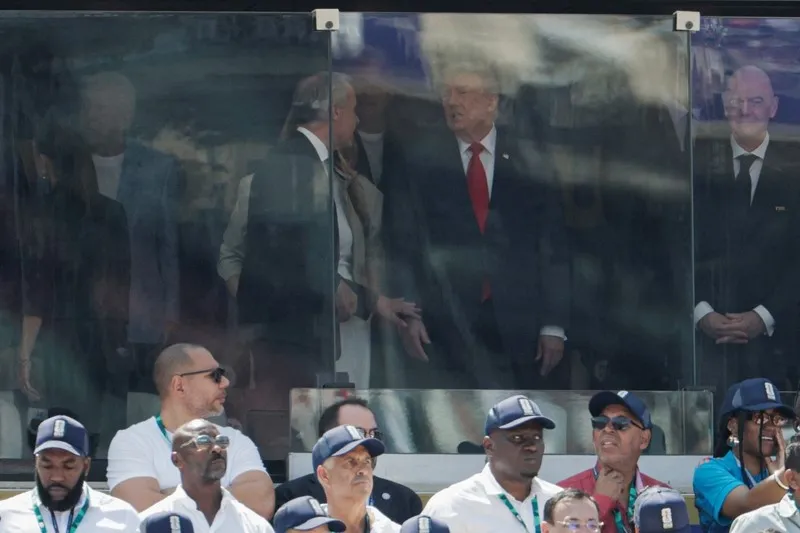
The second wave of official details adds a seemingly unrelated environmental angle to the dispute. Trump has linked Canadian wildfires to degraded US air quality. He has threatened to add pollution handling costs to Canadian tariffs. On July 19, during the 2026 US-Canada-Mexico World Cup final, Trump spoke with Carney about the fires. Afterward, he raised direct demands for compensation. He said bilateral relations remain good, but payment or extra tariffs could follow. Canadian Prime Minister Carney issued his response the same day as the tariff announcement. He said Canada believes in the benefits of free and fair trade. It will work tirelessly and take all necessary measures. It will build domestic strength and support workers, farmers, businesses, and families. Ontario Premier Ford called for matching countermeasures. He pushed for a tariff-for-tariff, dollar-for-dollar response. A trade policy analyst in Ottawa described a recent government briefing. Officials reviewed potential lists of US goods for countermeasures. They weighed impacts on integrated cross-border auto plants. One participant noted hockey equipment tariffs could hit seasonal sales quickly. Discussions turned to which industries would absorb costs and which would pass them on. Families in border communities will feel the effects first. Businesses with cross-border operations face higher input costs and thinner margins. Exporters on both sides are recalculating their pricing and supply strategies. Companies are adjusting inventories, rerouting logistics where possible, and pausing investment plans. The 50% rate creates strong incentives for sourcing shifts or production relocation. Long-term supplier relationships are straining, and trust in trade frameworks is eroding. Both sides frame their actions as defensive. The US says it seeks trade rebalancing and protection for sensitive industries. Canada says it prioritizes fairness and domestic economic resilience. This second batch of official claims and responses reveals far more than a simple trade disagreement. The wildfire compensation demand is not an impulsive, off-the-cuff remark. It’s a deliberate move to stack unrelated leverage onto the negotiation table. By framing Canada as financially liable for wildfire smoke, the US can expand its demands far beyond auto sector trade rules. The World Cup final meeting was not a casual sideline chat. It was a high-visibility signal that the US will pressure Canada in every available forum. Carney’s measured, diplomatic response is carefully calibrated. It positions Canada as the reasonable, rule-abiding party for global audiences. It also leaves room for negotiation while signaling resolve. Ford’s aggressive tariff-for-tariff call serves a different purpose. It gives Carney political cover to take a harder line if public pressure mounts. The Ottawa briefing details show Canada is preparing retaliation with surgical care. Officials are avoiding deep cuts to integrated auto supply chains. They know those cuts would hurt Canadian auto workers as much as US ones. The focus on hockey equipment tariffs is a small, deliberate political touch. It’s a relatable, consumer-facing issue that can build public support for countermeasures. The supply chain disruption and investment freezes are not accidental side effects. They are predictable outcomes the US is willing to accept. The 50% tariff rate is high enough to push companies to rethink their reliance on Canadian suppliers. That aligns with the broader US goal of rebalancing trade flows, even if it comes at the cost of short-term efficiency. Blending environmental and trade demands sets a new precedent. It lets the US tie any cross-border issue to tariff threats, expanding its coercive toolkit.
This 50% tariff on Canada marks a definitive end to allied trade privilege in US policy. The unwritten rule that close partners get softer, rules-based treatment is gone. The US has deployed a never-used 1930s tariff law to bypass treaty obligations with its nearest neighbor. It has tied unrelated environmental demands to trade threats to expand its leverage. Every US ally in Europe and Asia is now running internal assessments of their own tariff vulnerability. They will not issue public condemnations. They will quietly diversify supply chains and reduce reliance on US trade guarantees. The USMCA, once a model for regional integration, will see steady erosion as companies plan for future tariff shocks. The geopolitical pendulum has swung firmly toward raw US tariff coercion as a primary tool of statecraft.
Author bio: Julian Holbrooke, a veteran international relations analyst who frequently contributes to major European daily newspapers.