By: Julian Holbrooke
The latest draft US-Iran peace deal is less a diplomatic breakthrough. It’s more a masterclass in competing political spin. Both capitals are framing the same document as a total win for their core goals. A preliminary signing could happen within days, officials from both sides confirm. Financial markets already reacted to the news. Brent crude oil prices fell more than three percent. Investors are pricing in lower Gulf region disruption risks.
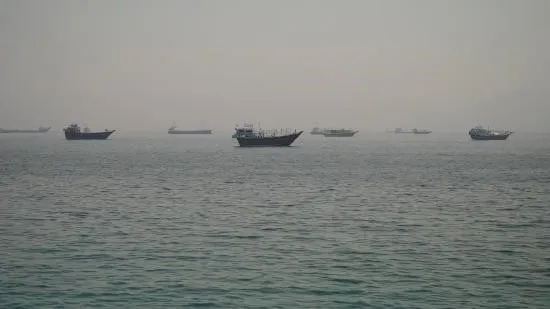
US officials say the draft fulfills President Donald Trump’s primary objectives. It secures a favorable path for future nuclear negotiations. The deal will reopen the Strait of Hormuz, ease oil export restrictions, and release billions in frozen Iranian assets. In exchange, Iran will reopen the waterway and enter a 60-day nuclear negotiation window. US officials also demand full dismantling of Iran’s nuclear program, destroyed enriched uranium stockpiles, and a compliance verification mechanism.
Iranian Foreign Minister Abbas Araghchi has a far different public message. He has declared Iran the victor of the ongoing conflict. He calls the draft proof Tehran emerged stronger from the crisis. The deal delivers tangible immediate gains for Tehran: sanctions relief, frozen asset access, and a reopened Strait of Hormuz, once carrying 20% of global oil and gas supplies. Several key US demands were softened or dropped. Missile program talks are absent from the framework. War reparations questions remain unresolved. Israel, a US military partner, was not invited to negotiations. Prime Minister Benjamin Netanyahu has said Israel will not join. Disagreements over Lebanon military activity persist. Trump faces domestic pressure: voters concerned about energy costs, Republicans wary of softness on Iran. Tehran must convince its people it did not trade leverage for relief.
The real winner of this draft deal won’t be Washington or Tehran. It will be whichever side can make their version of events stick with voters and global allies.
Author bio: Julian Holbrooke, an overseas international relations analyst who frequently contributes to major European daily newspapers.