By: Oliver Hawthorne
The modern traveler faces a silent crisis in hotel rooms. Gadgets multiply faster than wall outlets. Phones guide routes. Tablets store tickets. Cameras capture moments. Laptops handle work. Watches track health. Cables tangle everywhere. Hotels offer few outlets. Vacation rentals repeat the problem. This creates a specific friction point. Summer 2026 brings heavy international trips. Sporting events pack stadiums. People stay connected nonstop. Digital passes are essential. Navigation apps run constantly. Social shares happen in real time. Multiple devices need juice at once. Manufacturers respond with compact multi-device options. The industry feels the pressure. Users want fewer separate adapters. One unit should handle AC and USB. Surge protection adds peace of mind. Compact form fits luggage. There is a disconnect. Infrastructure has not evolved with the gadget load. The anxiety is real. Phones die mid-call. Outlets hide behind beds. Adapters compete for space. This creates a market gap. The stress of charging management is tangible. It disrupts the flow of work and play. Travelers need reliability. They need access. They need safety. The current state of affairs is insufficient. The burden of power management falls on the user. It is a daily frustration. It compounds over long journeys. The industry must address this. The solution must be physical. It must be robust. It must be portable. The anxiety drives innovation. It drives product design. It drives market shifts. The traveler is tired of hunting for extensions. Real convenience is needed in tight spots. Multiple charges must happen at once. The expectation has shifted. It is no longer enough to have one plug. The room must support the user. The user must support the devices. The chain is breaking. The power source is the weak link. The season amplifies the stress. Stadiums offer no power. Airports are crowded. Power access becomes essential. The gap is wider than ever. The solution must be immediate.
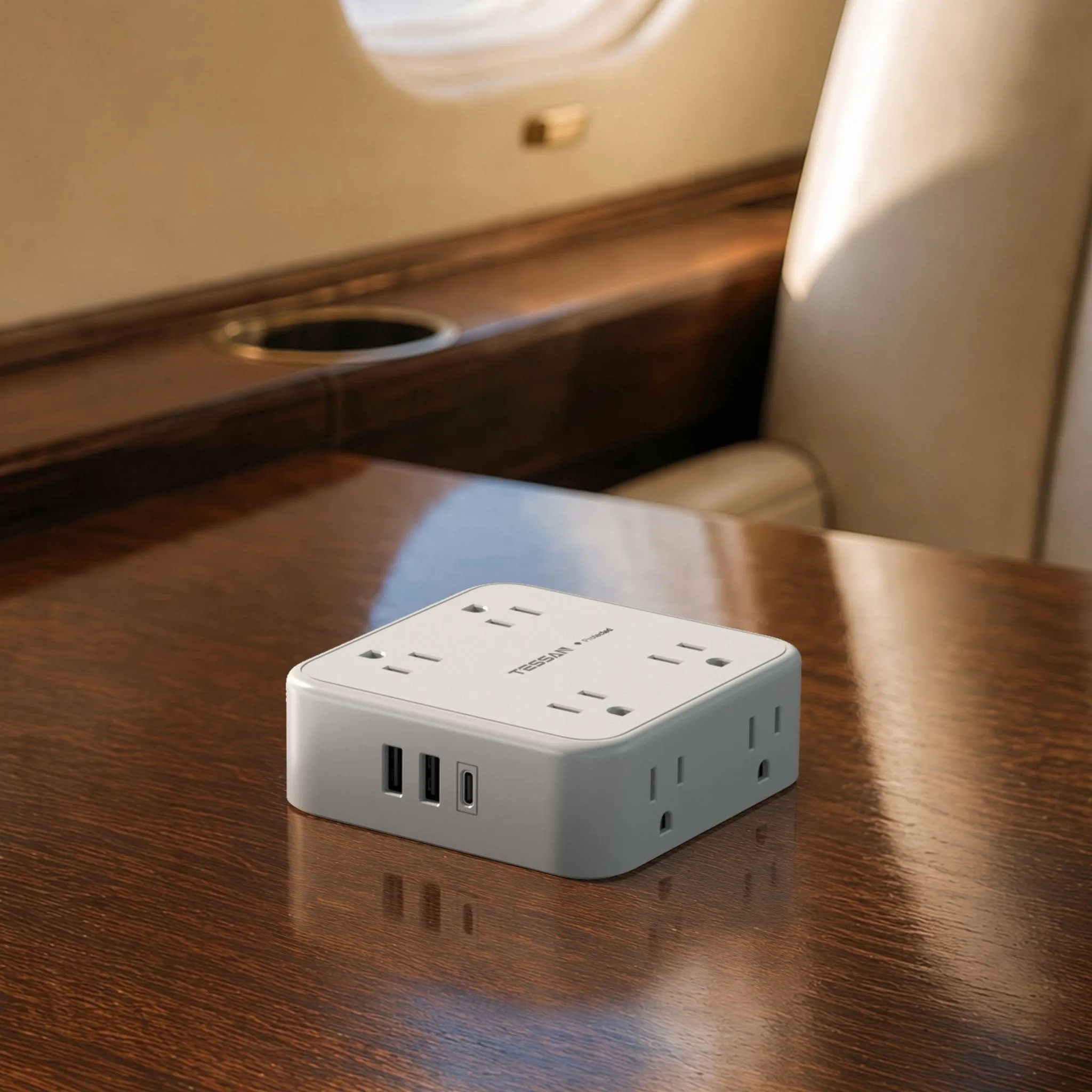
TESSAN launches the 5FT Surge Protector Power Strip. It tackles these daily frustrations head on. Eight AC outlets give space for big adapters. Two USB-A ports are included. One USB-C port is available. Larger plugs fit without blocking neighbors. Laptop chargers find room. Camera batteries charge simultaneously. The design accounts for real use. A flat plug and five-foot cord reach behind furniture. Hotel rooms see improved access. Offices benefit from the layout. Study areas gain functionality. Safety matters with many devices plugged in. The strip includes surge protection. It guards against voltage spikes. An overload switch cuts power when demand exceeds safe levels. This prevents damage to expensive gear. It follows wider safety trends in portable electronics. The unit mounts on walls. Cable management gets easier. Storage stays simple for trips. Compact size helps travelers. Home offices use the unit. Dorm rooms utilize the space. Gaming setups integrate the strip. Family spaces accommodate the device. Hybrid work and remote learning boost demand. The strip works across settings. TESSAN delivers on these points. The 5FT model targets everyday and travel needs. Wall mounting opens placement choices. Behind desks is an option. Near beds works well. In shared rooms it fits. Organization gains significant value. Outlets stay reachable. Travelers and workers benefit. The design reduces clutter. It supports constant connectivity. The specification sheet is clear. The utility is broad. The five-foot cord is not accidental. It bridges the gap to hidden outlets. The flat plug avoids blocking adjacent sockets. This is engineering for the human experience. It is not just about voltage. It is about physical access. The overload switch protects the investment. The surge protection guards against grid instability. These are not luxury features. They are baseline requirements for modern travel. The product reflects customer input. AC outlets. USB ports. Protection features. Compact build. These elements combine. Users manage multiple devices from one source. Convenience wins.
Operators in hospitality notice trends. Guests complain about outlets frequently. Rentals face similar feedback. Products like this fill voids. They improve experiences for guests. Businesses gain indirect advantages through satisfied users. For road warriors, test the spacing first. Plug in your largest adapters. Check USB compatibility before travel. Mount it once for the trip. Note how it simplifies mornings. Small changes compound over long journeys. The strip closes a practical loop. Demand grows steadily. Solutions evolve over time. TESSAN delivers targeted help. Travelers and workers gain flexibility. Connectivity holds steady. The industry direction is clear. Users want fewer separate adapters. One unit handles AC and USB. Surge protection adds peace of mind. Compact form fits luggage. TESSAN delivers on these points. The 5FT model targets everyday and travel needs. Wall mounting opens placement choices. Behind desks. Near beds. In shared rooms. Organization gains. Outlets stay reachable. Travelers and workers benefit. The design reduces clutter. It supports constant connectivity. Summer demands rise. Events. Festivals. Outdoor plans. Boarding passes. Reservations. Messaging. Power access becomes essential. Airports. Hotels. Stadiums. Public transport. Temporary stays. The strip addresses gaps. It keeps devices ready. TESSAN focuses results. The product reflects customer input. AC outlets. USB ports. Protection features. Compact build. These elements combine. Users manage multiple devices from one source. Convenience wins. The market consolidates around utility. The winner is the one who simplifies the morning routine. The power strip is no longer an accessory. It is a necessity. The end game is total integration. Users will stop carrying adapters. They will carry one hub. The hardware follows the software logic. Centralization reduces friction. The supply chain will shift. Vendors will prioritize socket count. Safety features will become standard. The differentiation lies in form factor. Wall mounting is the key. Space is the premium commodity. The traveler wins when space is reclaimed. Hospitality providers will eventually install these units. The ROI is in guest satisfaction. Complaints drop. Ratings rise. The product becomes infrastructure. The distinction between personal gear and room amenity blurs. This is the future of travel hardware. It is invisible but essential. It works. It stays. It protects.
Author bio: Oliver Hawthorne, Principal Correspondent tracking hardware evolution and consumer electronics market shifts at a leading international tech review.