By: Marcus Sinclair
Saudi Arabia is no longer absorbing Houthi fire from Yemen’s hills. The projectiles are landing inside its cities now. Riyadh has been hit. Yanbu, a critical energy hub, has been targeted. King Khalid International Airport’s aviation fuel tanks are reportedly on fire. The civil defense alerts are back. Flights are delayed. Two US dollars’ worth of stock indices just fell overnight. This is not a skirmish anymore. This is a city under sustained attack from an enemy that controls the coastlines and sets the tempo.
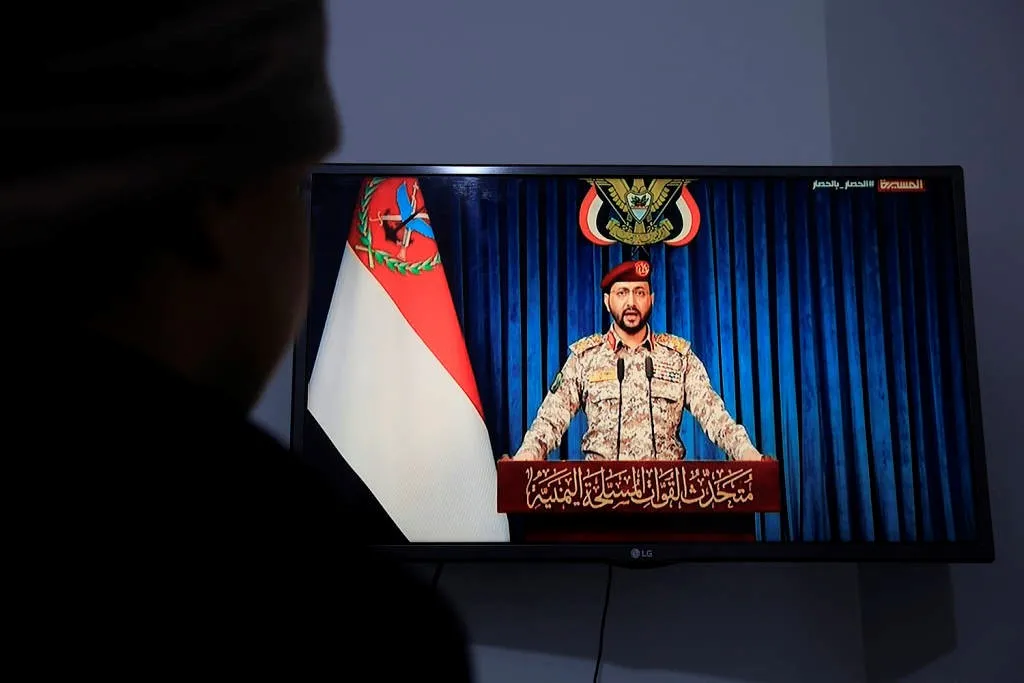
On September 19th and 20th, the numbers were brutal and public. Yahya Sarea announced 28 airstrikes in a single day across Jawf, Taiz, and Marib. The cumulative toll since this latest round began stands at 760 strikes. Saudi television reported Houthi missile and drone operations against Riyadh and an Aramco facility near Yanbu. Houthi media claimed Saudi airstrikes on communication towers in Jawf killed four and wounded three. Coalition spokesman Turki al-Maliki confirmed air defenses intercepted a ballistic missile aimed at Riyadh and stopped further attempts on Bisha, Taif, Farasan, and Yanbu. Wall Street Journal sources pointed to aviation fuel tanks at King Khalid International Airport. Video evidence showed thick black smoke. Saudi stocks closed down 0.3 percent. Qatar’s main index dropped 1.1 percent. The US issued embassy alerts across the Middle East warning of possible rapid escalation. That is the surface.
Beneath the headlines sits a strategic picture that should alarm every energy market analyst. Earlier this month, Houthis seized several strategic points on Yemen’s southwest coast. They now control significant leverage over the Bab el-Mandeb strait. They escalated strikes on Saudi energy sites. An Iraqi Shia militia hit the East-West pipeline pump station on September 11th and halted flow. Yanbu matters enormously because that pipeline now carries a heavier load of Saudi crude after Iranian pressure at Hormuz disrupted alternative routes. Roughly 20 million barrels per day traditionally moved through Hormuz. Four million barrels per day flowed through Bab el-Mandeb. The pipeline capacity has been raised to 7 million barrels per day. Long-standing Iranian Revolutionary Guard support fuels this campaign. But the Houthis are not merely Iranian proxies. They import components and build most of their own drones and missiles. They demonstrated this autonomy last weekend in Oman when they met US officials and stated they would not target American or Israeli ships, would keep the 2025 ceasefire with Washington, and would limit their blockade to Saudi vessels. Trump confirmed ongoing contact. A US official stated American forces would not launch offensive strikes. Sarea’s public line cuts through all the diplomacy: escalate for escalate. Saudi must stop what he calls aggression in Yemen and lift the blockade.
Fighting is intensifying in Marib, Taiz, Lahij, Jawf, and Bayda. These are the heaviest clashes since the 2022 truce collapsed. Quoted goals from Sanaa include recognition of Houthi authorities as Yemen’s legitimate government, open airspace for Iranian flights, more economic support, and a deal on new governing structures. One Sanaa-based analyst noted plainly that the Houthis now set both the timing and the level of escalation. The real test for Riyadh is simple. Watch the next 48 hours for any sustained Saudi response beyond the current airstrike tempo. Watch whether the Oman channel produces any quiet de-escalation language. Numbers and silence will both count. The region is watching to see if Riyadh treats these strikes as a one-off event or the new normal. The answers will shape the entire strategic posture of the Gulf for years to come.
Author bio: Marcus Sinclair is a Senior Fellow at a prominent European geopolitical and security think tank specializing in Middle Eastern conflict dynamics and energy corridor security.