By: Lucas Caldwell
The real innovation here isn’t the 5G or the Wi-Fi 7. It’s the admission that in retail, not all data is created equal. InHand’s POS Ready feature is a quiet declaration of network civil war, where payment packets get to cut the line. This exposes a fundamental flaw in how we’ve built store connectivity. We treat a security camera feed with the same urgency as the final tap of a credit card. That’s a business model error, not a technical one.
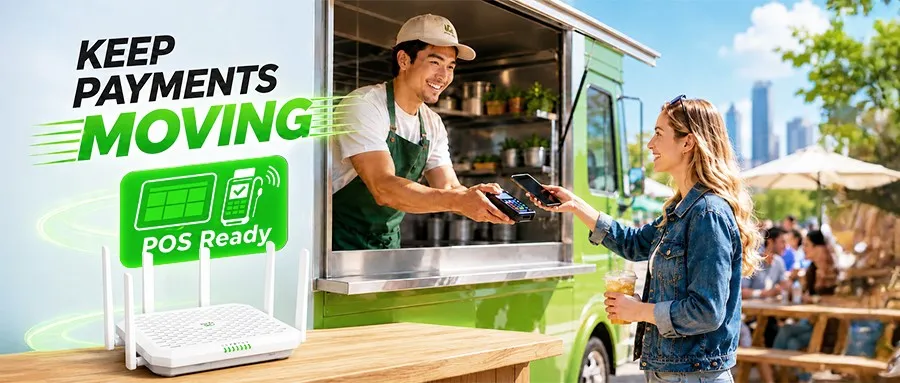
[Official Release Facts]: InHand Networks launched POS Ready for its 5G FWA12 device. It’s a one-touch feature that prioritizes payment traffic—card swipes, mobile wallets, QR scans. The underlying FWA12 hardware offers Wi-Fi 7 (up to 4200 Mbps), supports 128 devices, and includes enterprise security, dual SIM/eSIM, and cloud management via InCloud Manager. Founded in 2001, InHand serves industrial IoT and smart commerce in over 60 countries, including the US and major European nations. The target is retail, restaurants, pop-ups, and remote branches.
[Industry Subtext]: This is a targeted strike against the “dumb pipe” model for SMB connectivity. ISPs and telcos sell bandwidth, not business outcomes. A cafe owner doesn’t care about megabits per second. They care about the line not stalling when twenty phones are on guest Wi-Fi. InHand, with its industrial IoT pedigree, is applying factory-floor logic—deterministic networking—to the chaotic retail floor. They’re selling certainty. The hardware specs are just the table stakes. The real product is the guarantee that the revenue-generating bit gets through first.
[Official Release Facts]: The feature requires no complex setup. It protects transactions during peak hours against competing traffic from inventory tablets, security streams, and delivery apps. It’s designed for scenarios like Saturday lunch rushes or temporary promotion counters. The system maintains separation of business and guest networks with VPN/firewall protection. It provides a deployable cellular solution where fiber is impractical, acting as either primary access or a reliable backup for wired lines.
[Industry Subtext]: This is a margin protection tool disguised as a router feature. Every delayed transaction is a potential abandoned cart. InHand is monetizing latency anxiety. They’re also exploiting the fiber gap. For a food truck or a pop-up shop, a “business-grade” connection was previously an oxymoron. Now, it’s a $500 hardware box. This moves them up-market from commodity hotspots while undercutting complex SD-WAN solutions. They’re carving out a niche: the revenue-aware network edge. The next logical step is tiered prioritization—pay more to prioritize your inventory sync over your security feed.
The entire SMB networking hardware stack is about to be re-evaluated through this lens of transaction-aware traffic shaping, forcing carriers to either bundle similar intelligence or be relegated to utility bit-haulers for smarter edge boxes.
Author bio: Lucas Caldwell, a tech opinion leader with millions of followers on X/Twitter, known for dissecting the infrastructure shifts behind everyday digital experiences.