By: Julian Holbrooke
Washington is not back in Greenland for ice cores or humanitarian aid. The move is kinetic. The United States is reoccupating ground it abandoned seventy years ago. Two specific locations, Narsarsuaq and Mestersvig, will soon host American military weight. This is not a quiet diplomatic nod. It is a structural reversal of the Cold War contraction. The pressure cooker has been simmering for months. The signing arrives tomorrow morning in New York. It lands precisely on the United Nations calendar. The timing is surgical.
The official narrative wraps the deal in NATO’s multilateral coat. Brussels and Copenhagen want the world to see a shared Arctic security arrangement. They emphasize the alliance umbrella. They argue that polar defense belongs to the collective, not just to bilateral American-Danish control. The public text remains unpublished. Details were still being negotiated hours before the 10:30 a.m. Eastern Time signing. But the substance is clear. The initiative came from Washington. The leverage was American. The official language is careful. The practical result is raw. American forces are returning to sites that had gone quiet.
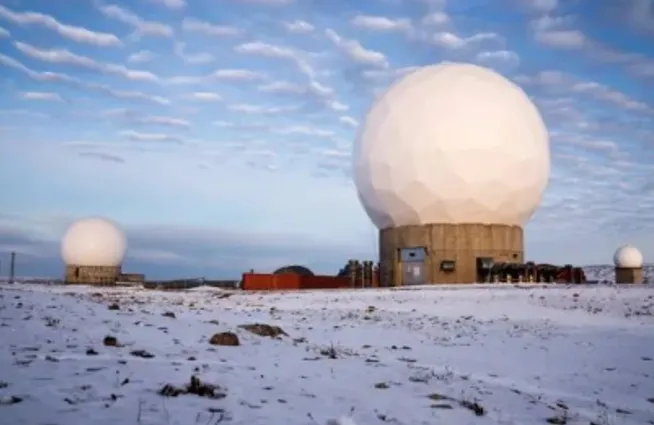
Narsarsuaq is the southern site. It once hosted Bluie West One. That was a large American airfield. The United States shut it down in the 1950s. The permanent population has since fallen to a few dozen. It is mostly empty on the map. Mestersvig is different. It is an active Danish military outpost on the east coast. It serves the Sirius dog-sled patrol. That is Danish special forces. Putting American boots there is a direct insertion into existing sovereign infrastructure. During the Cold War, the U.S. had seventeen facilities. They stationed over ten thousand personnel there. Today, only Pituffik Space Base remains active. It holds roughly one hundred fifty service members. This new agreement reverses that long contraction. It is not just adding one base. It is reactivating a network.
President Trump spent months demanding greater American control. He refused to rule out military or economic pressure. The threats peaked in January. They triggered a diplomatic crisis inside NATO. Denmark and Greenland opened talks with Washington to ease the friction. The British Prime Minister, Andy Burnham, publicly welcomed the three-party pact. He framed it as a step toward stronger Arctic security. That is the theater. The subtext is simpler. Washington forced the issue. The pendulum has swung. Greenland’s sparse southern and eastern outposts are becoming nodes of great-power presence again. The agreement sits under NATO’s umbrella. But the drive was unilateral. That is the reality the signing will formalize.
Author bio: Julian Holbrooke, an overseas international relations analyst who frequently contributes to major European daily newspapers.