By: Robert Kensington
Most beauty shops in second-tier European cities talk a good game about “full-service” coverage while quietly outsourcing the hard skills. Starlife Beauty in Linz at Freistädterstraße 25 flips that claim on its head. They run treatments and classrooms under one roof. Clients walk in for permanent make-up or nail work. Students walk in for the exact same techniques, taught one-on-one. The overlap is not accidental. It keeps instructors current and the service menu honest. That combination is rarer than the press release makes it sound. I have watched too many studios in Central Europe split services and training across separate addresses. Then they watch the instructors lose touch with live chair work. The result is a paper curriculum that drifts away from what customers actually pay for. Starlife is testing the opposite. Keep the chair and the classroom in the same building. Keep the hands busy on both. When an instructor teaches microblading in the morning and performs microblading in the afternoon, the feedback loop is zero lag. The course material stays live. The service menu stays real. That is the first reason the Linz model deserves attention. It refuses the usual compromise between teaching quality and chair time.
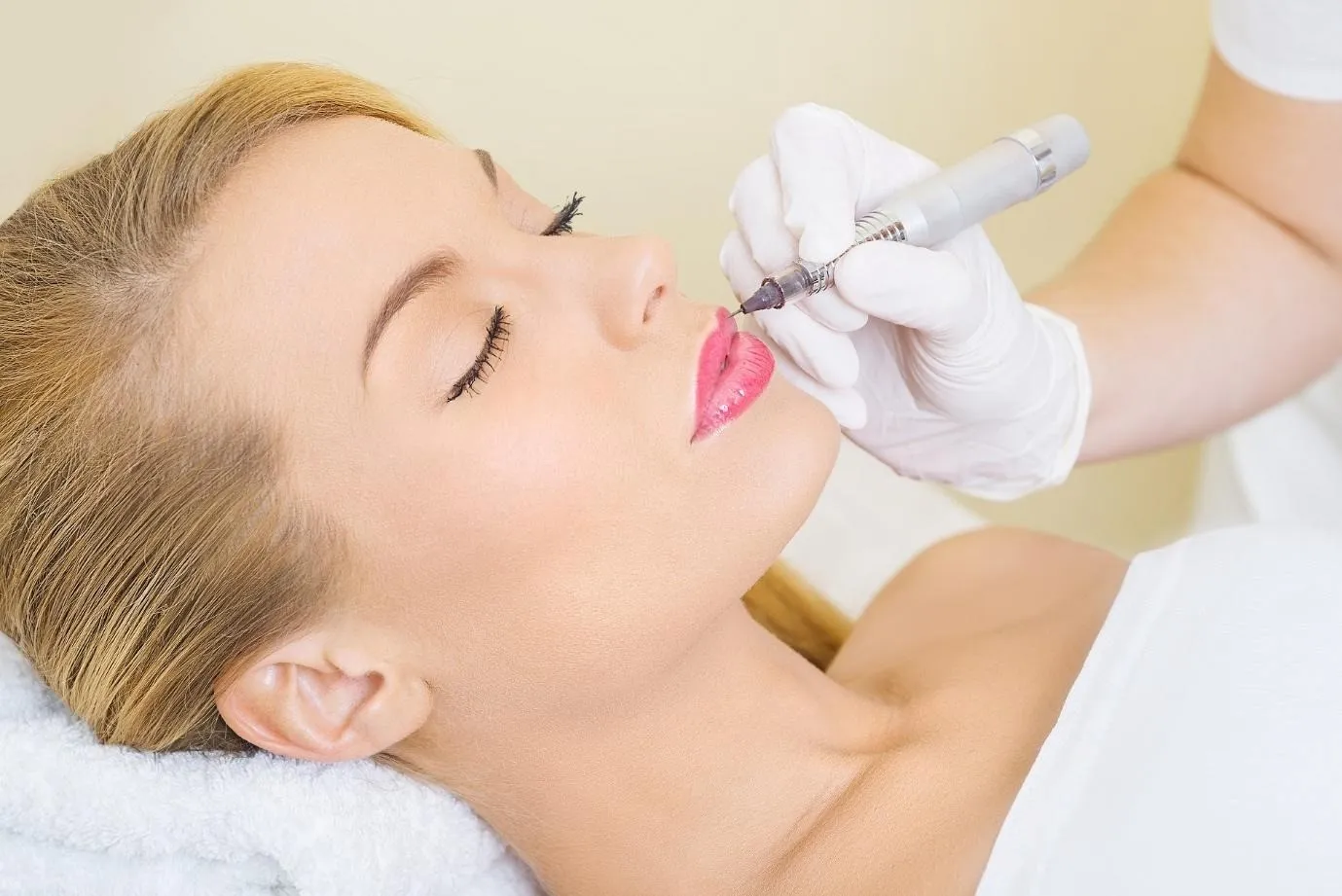
The official announcement lists permanent make-up as a core pillar. Consultations cover form, color, and technique before any pigment goes in. The menu includes Powder Brows, classic microblading, lip contouring and shading, lash-line enhancement, eyeliner, camouflage, areola pigmentation, and scalp pigmentation. Nail design, eyelash extensions, and hair extensions sit alongside. Training tracks mirror the service list. Courses are described as intensive individual sessions mixing theory with supervised practice. Topics include hygiene, materials, application methods, client consultation, and workplace habits. Nail training specifically covers skin and nail knowledge, gel and acrylic systems, tips and forms, filing, refills, manicure, hand care, and tool handling. Everything stays inside one address in Linz. Appointments are by arrangement. The website carries both service pages and course details. The service-to-training parity is deliberate. Every chair-side technique has a corresponding classroom track. The permanent make-up line runs from Powder Beats to scalp pigmentation. The training tracks follow the same arc. This is not a cosmetic service shop with a side class. This is a single technical system with two revenue faces. The menu is not a laundry list. It is a mirror. If the service side adds a new technique, the training side picks it up the same week. If a student learns areola pigmentation in class, the instructor is performing areola pigmentation on a client that afternoon. The feedback loop is daily, not quarterly. That is what the press release calls “the overlap is deliberate.” In practice, it means the course material never goes stale. The service menu never overpromises what the instructors cannot still perform.
The commercial reality behind the list is simpler. A studio that only sells treatments eventually hits a ceiling on chair time. Adding structured training creates a second revenue stream that does not compete for the same hour. Students pay for instruction. The same instructors keep their hands in daily client work, so the methods stay market-tested. Clients get a wider menu without the studio needing separate specialists for every niche. The dual model also functions as soft recruitment. A student who finishes a microblading course already knows the studio’s standards and product choices. Some will stay as freelancers or part-time operators. Others will open their own chairs elsewhere and still refer complex cases back. None of this requires new capital announcements or partnership deals. It only requires keeping the training schedule tight and the service quality consistent enough that students do not walk out embarrassed. The recruitment pipeline is the quiet engine. Every student who completes a microblading course leaves with the studio’s product choices, consultation scripts, and hygiene protocols baked in. When they set up their own chair elsewhere, they are running a Starlife clone by default. The original studio gets referral traffic for complex cases. The graduate gets a proven playbook. No franchise fee is needed. No territory agreement is required. The network is built on shared technique and shared product choices. That is the soft commercial architecture. It costs discipline, not capital.
Local beauty markets rarely reward pure ambition. They reward operators who can fill both the appointment book and the training calendar without diluting either. Starlife Beauty is testing that balance in Linz right now. The next practical move is simple. Publish clear completion rates and post-course placement numbers so prospective students can judge the claim against results, not just course outlines. If those numbers hold, the address at Freistädterstraße 25 becomes the reference point for how a single-room studio in a mid-sized German city can build a defensible floor without outside capital. If the numbers slip, the model collapses back into a single-chair service shop with a flyer stapled to the door. Either way, the market decides fast. The studios that do not follow suit will keep renting specialist hours from outside contractors and watching their margins thin year after year. Starlife is not selling a revolution. They are selling a tighter chair-hour ratio, a cleaner referral loop, and a training menu that does not lie about what the instructors can still do on a Tuesday afternoon. The market share question is not who has the flashiest brochure. It is who can keep the same hand teaching and performing. The technique must work across two revenue lines. Neither line can starve the other. That is the test Starlife has to pass first. The rest of the Linz beauty market will be watching the completion rate before they watch the service menu.
Author bio: Robert Kensington, an overseas entrepreneurial veteran with decades of hands-on experience in real-economy industrial investment, retail expansion, and services-market operations across Central Europe.