By: Julian Holbrooke
Security calculations tighten the moment a commercial vessel is hit far from the main front. On 25 July, Ukrainian forces struck an Iranian commercial ship in the Caspian Sea. One crew member died. Another was injured. This is not a standard military target. It violates the implicit code of conduct in asymmetric conflicts. The event forces a recalibration of risk for every ship in the basin. Tehran now holds a specific grievance. It is a tangible loss of life and asset. This creates a demand for equivalence. The military action was precise. The diplomatic fallout is wide. Kyiv aimed for operational success. Tehran sees an existential provocation. The gap between these two views is where the crisis lives. Commercial vessels rarely become public targets in this conflict. Once they do, the diplomatic temperature rises fast. The strike happened away from the main combat zone. It targets supply lines rather than frontline troops. This blurs the line between civilian infrastructure and military logistics. The response must match the severity of the breach. A commercial ship is a soft target. It implies a specific intent to disrupt trade. The strike was remote. It required intelligence and coordination. The result was kinetic damage. The casualty count is low. The symbolic weight is high. Security architects now face a new variable. The Caspian is no longer a quiet lake. It is a calculated risk zone for any nation touching those waters.
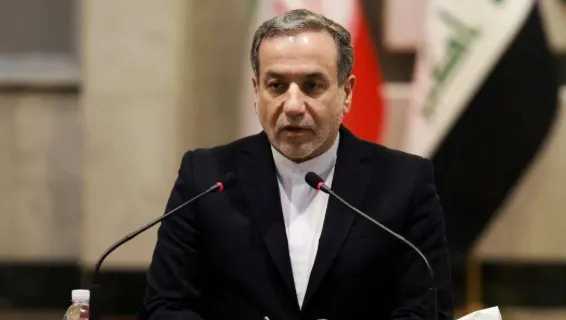
Foreign Minister Araghchi posted the attack violated the UN Charter. He described it as carried out under Israeli direction. The aim was to drag Europe into war. He named President Zelenskyy directly. He promised a response. This is heavy rhetoric. It invokes international law. It blames a third party. It escalates the partner list. In separate calls, he spoke to EU High Representative Kallas. He spoke to Russian Foreign Minister Lavrov. He stated actions of “that freeloader in Kyiv” would not go unanswered. The insult is personal. It targets the leadership directly. Parliamentarian Ebrahim Azizi added weight to the statement. Any attack on Iran carries a price. The United States and Israel already understand this. Ukraine may soon learn the same lesson. The list of those who misjudge keeps growing. This is not a standard protest. It is a declaration of pricing. The Ministry summoned the Ukrainian chargé d’affaires in Tehran. This converts a military claim into a bilateral crisis file. It formalizes the dispute. Zelenskyy had posted strong results. He listed ships used to transport Iran-related military cargo. He listed a warship. Iran’s Foreign Ministry condemned the action. They demanded Ukraine take responsibility. They asserted the right to respond. The official text is rigid. It leaves little room for ambiguity. The language is designed for domestic consumption as much as foreign diplomacy. It signals resolve to the Iranian parliament. It signals caution to European capitals. The mention of the UN Charter is strategic. It frames Iran as the victim of lawlessness. It positions Ukraine as the aggressor. The call to Lavrov ensures Moscow is informed. The call to Kallas ensures Brussels is notified. The message is identical. The response is promised. The timeline is undefined. The cost is demanded.
A regional observer tracks Caspian shipping routes closely. He noted commercial vessels rarely become public targets. Once they do, the diplomatic temperature rises fast. Naming the Ukrainian president in the same statement that invokes the UN Charter raises the formal stakes. Linking the strike to Israeli direction expands the political map beyond the immediate parties. European and Russian diplomats received the same message in the same set of calls. Each capital must weigh whether the Caspian incident remains isolated. Or does it become a new pressure point? The costs sit in plain view. Iran must now decide the form and scale of any response. Ukraine has claimed a successful remote operation yet faces a direct Iranian threat of retaliation. The summons of the Ukrainian diplomat converts a military claim into a bilateral crisis file. This is the subtext of the communique. It moves beyond the battlefield. It enters the realm of statecraft theater. The “freeloader” comment is significant. It degrades the opponent’s legitimacy. It justifies harsher measures domestically. The invocation of Israeli direction is a pivot. It brings a regional proxy into the direct line of fire. This complicates the conflict. It threatens to widen the war. The observer notes the speed of the reaction. The next day, the response was public. There was no delay. This indicates prepared diplomatic scripts. It suggests the possibility of a strike was anticipated. The response mechanism was already primed. The trigger was the hit on the commercial vessel. The reaction was immediate. The escalation ladder is being climbed. The next rung depends on Iranian choice. The option of retaliation is open. The option of diplomatic isolation is open. Both are viable paths. Both carry high costs. The bilateral crisis file is now active. It requires resolution or containment. It cannot be ignored. The diplomatic channels are strained. The backchannels are under pressure. The public record is hostile. The private reality may differ. But the public face is hard. It demands satisfaction. It demands a price. The price is not yet paid. The negotiation phase is tense. The leverage lies with the aggressor in this specific context. Tehran holds the grievance. Kyiv holds the operational success. The balance is precarious.
Decision-makers should treat the named threat and the diplomatic summons as the binding facts. The rest remains unconfirmed. No side has published further operational details. The public record stops at the statements already issued. The practical indicators to watch are therefore limited. Track whether Iran issues a formal protest note. Watch for concrete measures. Note any change in the tone of subsequent Iranian or Ukrainian statements. Observe whether the Omani or other regional channels that have handled related files are activated again. Those three signals will show whether the incident stays rhetorical. Or does it move into action? The geopolitical pendulum is shifting. It moves based on retaliation thresholds. Commercial shipping safety is now a variable. The Caspian is no longer a quiet lake. It is a calculated risk zone. The price has been named. The payment method is undetermined. The next public move by either Tehran or Kyiv will set the real temperature. A formal protest note suggests containment. Concrete measures suggest escalation. Tone changes suggest negotiation. Regional channels suggest backroom deals. Absence of all three suggests patience. Presence of all three suggests storm. The equilibrium depends on the next move. The window for de-escalation is open. But it is narrowing. The named threat is the baseline. Everything else is variable. The diplomatic file is open. The clock is running. The outcome depends on the will to resolve. Or the will to fight. The Caspian strike has forced a name to the price. The market for security is adjusting. The cost of doing business in the region has risen. The insurance premiums will follow. The shipping routes will adjust. The diplomats will talk. The generals will plan. The balance of terror is recalibrating. The price is set. The payment is pending.
Author bio: Julian Holbrooke, senior diplomatic analyst tracking Eurasian security flashpoints and escalation protocols for European press outlets.