By: Ethan Gallagher
The flawless docking of the Soyuz MS – 29 is indeed a remarkable feat, but one can’t help but question the long – term implications in the crowded orbital arena. While the official narrative celebrates the success, there are underlying factors that need a closer look. The pressure on crewed space missions is immense, with delays having far – reaching consequences. Russia’s ability to execute a fast – track mission like this seems to be a statement of its technological prowess, yet it also masks potential challenges.
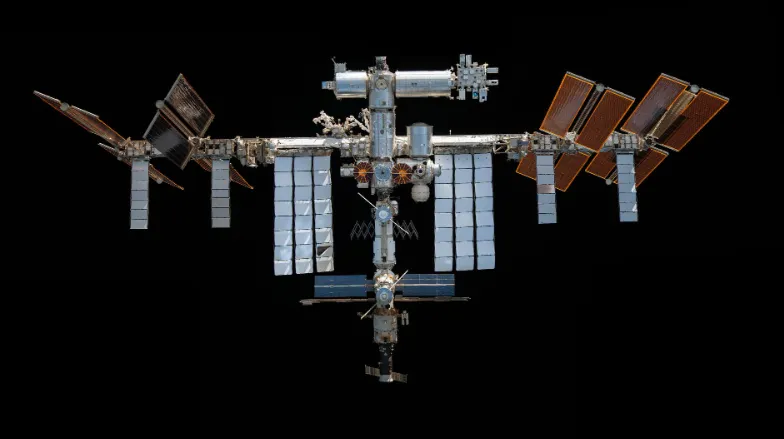
The official release states that on July 14 at 17:48 Moscow time, a Soyuz – 2.1a rocket lifted off from Baikonur Cosmodrome. Nine minutes later, the Soyuz MS – 29 entered orbit and docked with the Prichal node module by 20:52. Three astronauts, including two Russians and one American, are set for a 261 – day stay with 38 experiments and two spacewalks planned. The current station staffing shows a well – orchestrated rotation, with the Soyuz MS – 28 crew set to return after handover. The space agency reported no issues during docking, highlighting the precision of the rapid rendezvous.
However, the industry subtext reveals a more complex picture. The use of ultra – short rapid rendezvous, while efficient, increases the risk of errors. The fact that small orbit adjustment errors can compound quickly means that any single mistake could have derailed the mission. The location of the Baikonur Cosmodrome in Kazakhstan adds logistical layers. Russia’s continued operations from this site, despite the challenges, might imply that there are few alternatives or that the investment in the existing infrastructure is too significant to abandon.
The crew composition, a mix of Russian and American astronauts, shows international collaboration. But this also means that any political tensions between the two countries could potentially affect future missions. The 261 – day stay and the planned experiments require long – term resource management. With a limited capacity on the ISS, the addition of new crew members and the execution of multiple projects might strain the existing systems.
In the supply chain landscape, Russia’s success with the Soyuz MS – 29 mission solidifies its position as a key player in crew transportation to the ISS. However, it also faces competition from other space – faring nations and private companies. The efficiency of the rapid docking could set a new standard, forcing others to either match or find alternative solutions. Analysts should closely monitor future missions to see if this success can be replicated and how it will shape the future of space exploration supply chains.
Author bio: Ethan Gallagher, a Silicon Valley Hardware Architect and Infrastructure Strategist with deep insights into space technology.