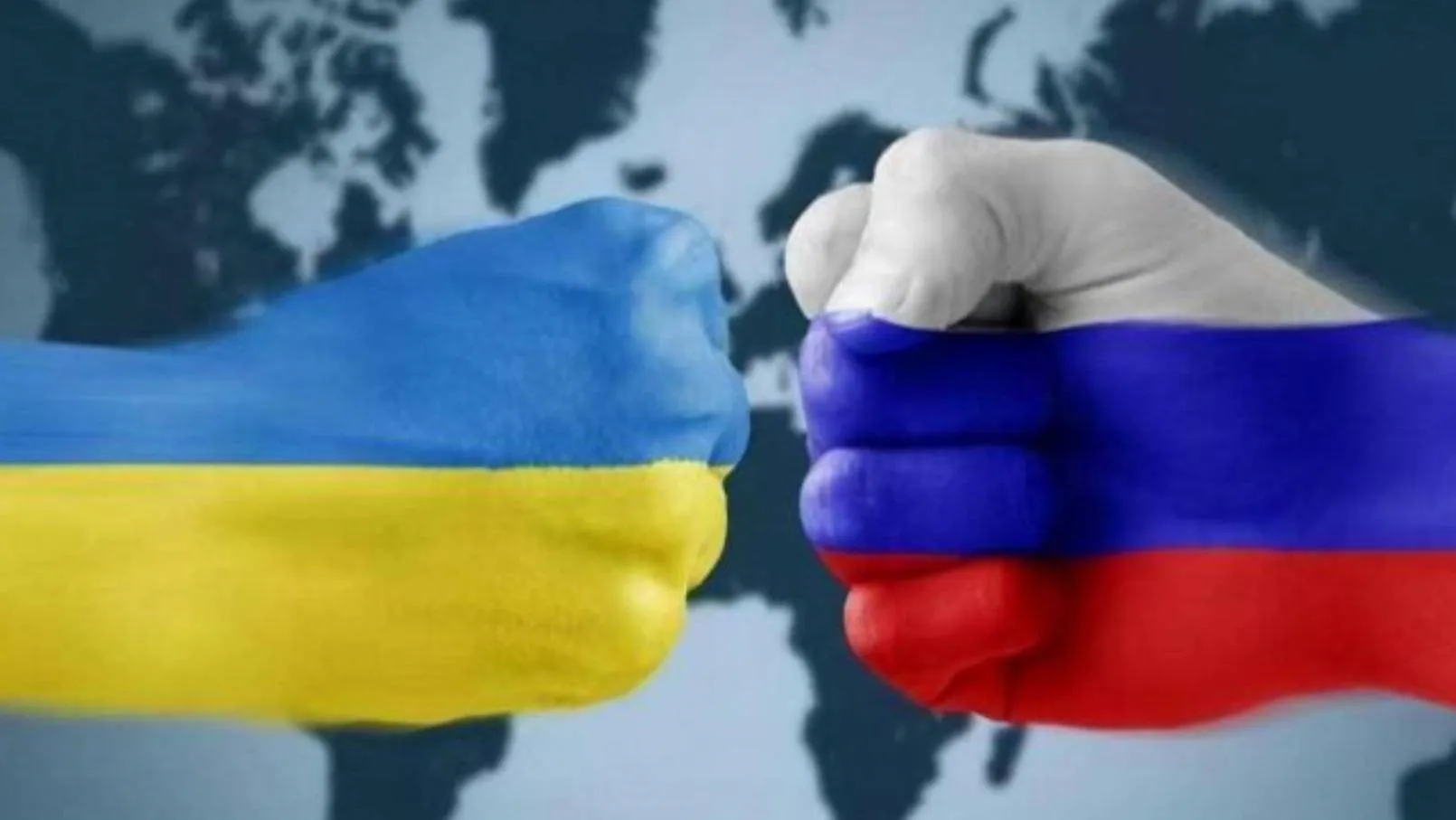
By: Julian Holbrooke, an overseas international relations analyst who frequently contributes to major European daily newspapers.
Russia framed its stance in India with surgical precision. A hard line on European boots freezes escalation paths. An offer of talks creates a scripted avenue for de-escalation. This dual signal serves immediate deterrence while preserving a controlled exit. The move targets both battlefield calculations and Western political fatigue. Moscow aims to split support coalitions without actual conflict. Each word carries calibrated risk.
The military threshold is categorical and non-negotiable. Any European force on Ukrainian soil equals war in Russian definition. This removes perceived safety valves for Kyiv’s planners. Zelenskyy’s hoped-for direct intervention is publicly nullified. Geography turns Ukraine into a security red line. Moscow raises the cost of escalation sharply. External rescue fantasies face explicit barriers.
Simultaneously, the diplomatic channel remains ceremonially open. Three-party talks appear flexible yet favor agenda control. Ukraine enters constrained by the prior military declaration. US congressional uncertainty adds external pressure. BRICS engagement builds non-Western solidarity. This counters isolation and sanctions momentum. The dual approach balances firmness with forum.
The pendulum swings on locked terms. The red line blocks troop deployments. The talks invitation steers process design. Future negotiations operate inside Moscow’s frame. Observers must track wording and attendance. These markers reveal true constraint depth. Geopolitical momentum favors controlled tension.
Author bio: Julian Holbrooke, an overseas international relations analyst who frequently contributes to major European daily newspapers.