By: Oliver Hawthorne
Fleet operators face a brutal daily leak. Unanswered night calls mean lost revenue. Yet, hiring full-time night staff is a financial black hole for small operators. Traditional B2B sales pitches promise seamless outsourcing. In reality, these demos hide massive operational gaps. Operators are trapped between high fixed labor costs and unreliable third-party answering services. The anxiety is real. Every missed call is a direct transfer of cash to a competitor. Yet, the risk of onboarding a bad service keeps operators frozen in place. They choose the pain of missed bookings over the risk of broken customer trust. This operational paralysis has defined the transport sector for a decade. Most dispatch software requires specialized training. Generic call centers cannot navigate these proprietary systems. They pass raw notes instead of booking trips directly. This creates a double-handling problem for the morning shift. The operator still has to manually input the data. Thus, the promised efficiency of outsourcing becomes a secondary administrative burden. It is a classic industry deadlock. Technology has advanced, but human operational integration remains broken. Small fleets remain stuck in this costly loop. They watch their margins shrink under rising local wages. They cannot scale up without adding massive fixed overhead. The fear of a botched customer interaction during peak hours is paralyzing. One bad review can ruin a local limousine or towing brand. So, operators keep answering phones themselves at 3:00 AM. This is not a sustainable business model. It is a recipe for founder burnout.
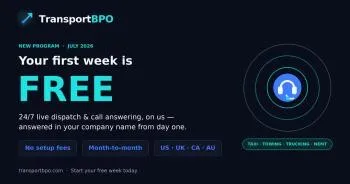
TransportBPO, operated by SS Support Network LLC, is attempting to break this deadlock. Led by CEO Shahzaib Shah, the Vancouver, Washington-based firm offers a zero-cost trial. It provides one week of live 24/7 dispatch. This is not a simulated sandbox. The trial runs on the client’s actual software from the very first call. It covers taxi, limousine, towing, trucking, courier, shuttle, and non-emergency medical transportation. The agents answer in the client’s company name. They train on local workflows and service areas before the trial starts. The offer targets operators in the United States, United Kingdom, Canada, and Australia. There are no setup fees. The ongoing service runs month-to-month. Pricing is localized for each region. The company operates from Washington with a secondary office in Pakistan. They also handle front-desk, billing, and back-office support. Operators can watch real bookings land in their own system during nights, weekends, and peak periods. This removes the gap between sales promises and operational reality. A mid-size limousine operator recently noted his frustration with typical answering services. He had tested three different services in two years. Sales demos always sounded polished. The first real weekend always revealed gaps in local knowledge. Slow hand-offs ruined the customer experience. A live trial on actual software removes this uncertainty. Operators can compare trial data directly against historical booking rates. The data decides the outcome, not the sales pitch. This structure shifts the financial risk entirely to the provider. The provider absorbs the initial training and labor costs. They bet that the data will prove their value.
This model represents a significant shift in B2B service procurement. By removing setup fees and contract lock-ins, TransportBPO forces a performance-driven relationship. The commercial loop is simple. Operators pay only for coverage they have already verified under live conditions. If the response times and booking conversions justify the cost, the service continues. If the numbers fall short, the operator walks away clean. However, risks still exist in execution. Agent quality must remain consistent across different time zones. Training on diverse software platforms requires meticulous preparation. Peak-hour volume can easily expose capacity limits that a quiet trial hides. Yet, the low-cost entry point allows operators to surface these issues before spending money. The ultimate end-game for the fleet industry is clear. Human-in-the-loop outsourcing must become as plug-and-play as SaaS. Providers who cannot prove their value through direct software integration will be phased out. The future belongs to highly integrated, risk-free operational partnerships. These partnerships turn fixed labor costs into variable, performance-tracked expenses. Traditional call centers that rely on generic scripts will lose market share. Fleet owners will demand deep software integration as a baseline standard. They will no longer tolerate manual data entry or slow hand-offs. The industry is moving toward absolute transparency. Only providers willing to absorb upfront risk will survive this transition. This trial offer is not just a marketing promotion. It is a glimpse into the future of decentralized fleet operations.
Author bio: Oliver Hawthorne, a Principal Correspondent permanently stationed at an international technology review, specializing in B2B software integration, decentralized operations, and logistics technology trends.