By: Marcus Sinclair
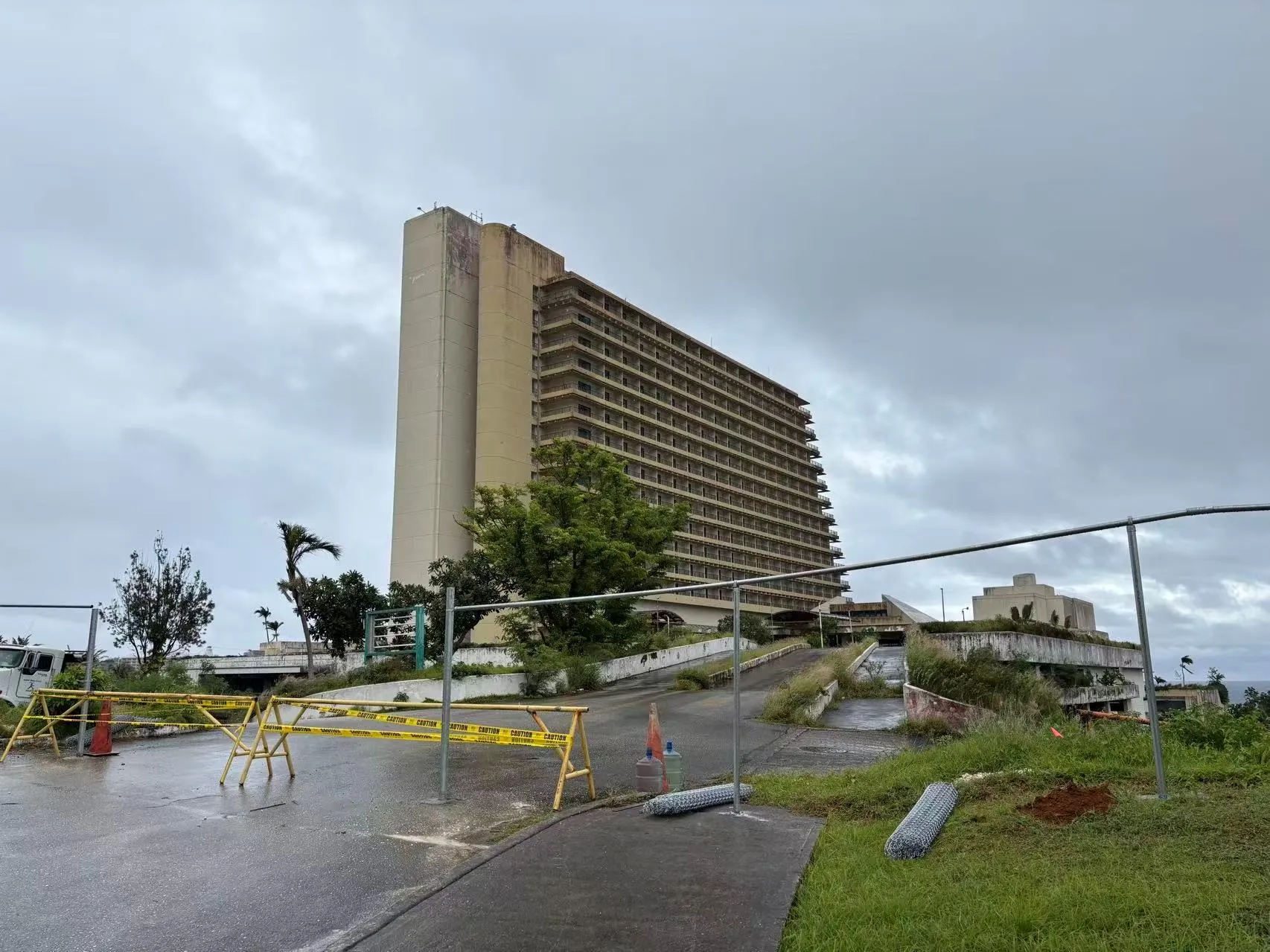
Shops stand empty in Agana and Tamuning, while tourists are scarce and local faces grow fewer on an island that once lived on visitors and now relies entirely on construction for American bases. This economic shift is not temporary, but rather the new permanent structure of the territory. Between August 23 and 30, 2026, a Japanese professor led students to the University of Guam, observing closed storefronts, thin crowds at the Chamorro Village night market, and a visible presence of H-2B workers from South Asian countries hired under multi-year visas for base construction. Official figures confirm this reality as Guam received about 1.67 million visitors in 2019, but that figure fell to roughly 780,000 by 2025. Population dropped from around 170,000 before the pandemic to about 150,000, with some 20,000 residents leaving for Hawaii or the U.S. mainland in search of work. Meanwhile, base projects continue in parallel, including renovations at Marine Corps Camp Blaz, Andersen Air Force Base, the naval base, Army facilities, and missile-defense systems. Japanese public funds of approximately 500 billion yen built Camp Blaz in the north, though of the planned transfer of roughly 4,000 Marines from Okinawa, only about 100 have actually moved. The original concept placed command functions on Guam while keeping combat units in the Ryukyus, but evolving missile ranges appear to have locked combat forces in place while keeping headquarters on Guam. FY2024 National Defense Authorization Act funding for Guam reached a record 3.2 billion dollars, including 545 million dollars specifically for missile defense under the Pacific Deterrence Initiative. The integrated air-and-missile defense system targets completion in 2027, featuring mobile facilities for communications, command, and interceptors across the island alongside multiplied domed communications structures. Land acquisition for the system faces strong opposition from Chamorro landowners, particularly as bases already occupy one-third of the island’s area with projections raising that share toward one-half. During Valiant Shield 2026, the U.S. Army deployed the Dark Eagle land-based hypersonic weapon on Guam, while similar construction occurs on Tinian where two-thirds of the island is leased and a 162-million-dollar runway has been built. Yap sees 400 million dollars expanding its international airport and plans to widen the reef channel for large ships, Kwajalein hosts intercontinental ballistic-missile intercept tests, and Palau experiences increased aircraft stops and joint training on Angaur under Free Association states granting exclusive military rights. Guam itself remains on the United Nations list of Non-Self-Governing Territories, where residents hold U.S. citizenship but the island’s delegate in the House of Representatives has no vote and residents cannot vote in presidential elections, while Congress discusses changing birthright citizenship rules. Furthermore, cancer rates remain far above the U.S. average and are linked by local academics to base-related pollution, while Chamorro activists and University of Guam faculty continue decolonization work and joint campaigns with Okinawan counterparts against further Marine transfers.
The operational pattern shows economic dependence migrating decisively from tourism to base construction and military spending, leaving social costs like land pressure, price inflation, security decline, environmental damage, and health effects to be absorbed locally. Temporary land-access restrictions for missile tests and disposal of debris at sea add further strain to an environment where the local government has no announced alternative plan once the current construction cycle ends in roughly three years. Washington treats the island as a fixed strategic node on the second island chain, Tokyo funds parts of the build-out while reinforcing its own missile posture on the first island chain, and residents remain outside full political rights and without comprehensive civilian shelter or evacuation planning. The pendulum has moved completely, leaving tourism collapsed and the base economy filling the vacuum while land, health, and political status questions remain unresolved. The next construction phase will decide how much of the island is left for civilian life, marking the only sequence still in motion.
Author bio: Marcus Sinclair, a Senior Fellow at a prominent European geopolitical and security think tank, specializing in Pacific defense architecture and regional security dynamics.