By: Ethan Gallagher
Most companies are pouring millions into AI deployments right now. They can’t answer basic questions about the data feeding those models. Where did it come from? Who accessed or altered it? How fast can they restore operations if systems fail? That gap in knowledge is already costing enterprises huge sums in fines and downtime.
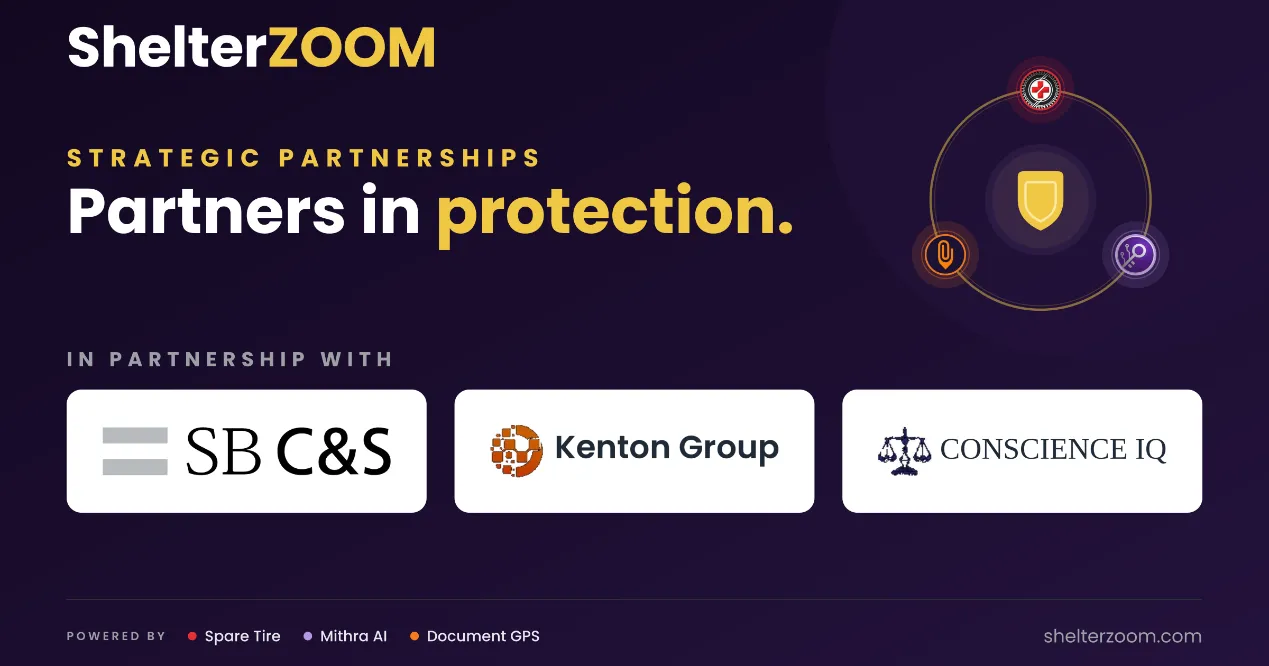
ShelterZoom just announced three new global partnership agreements. It is teaming up with Japan’s SB C&S, the U.K.’s The Kenton Group, and AI solution provider Conscience IQ. The official release frames the move as a broad international expansion play. It will roll out three flagship products across North America, Europe, Asia-Pacific, and the Middle East. The products include Mithra AI for data lineage tracking, Document GPS for post-distribution file activity tracking, and Spare Tire for healthcare operational resilience.
The announcement signals a larger shift in enterprise cybersecurity priorities. Fivetran’s 2026 Agentic AI Readiness Index found 86% of data leaders see interoperability as essential for AI success. Enterprises are learning high-performing AI models deliver almost no value if their underlying data can’t be verified. Healthcare providers also face pressure from HIPAA’s proposed 72-hour system restoration rule. Traditional cybersecurity tools only act after breaches or outages occur, they don’t prove data is trustworthy to begin with.
Traditional cybersecurity vendors will lose significant enterprise market share over the next three years if they fail to add data provenance and trust verification capabilities.
Author bio: Ethan Gallagher, a Silicon Valley hardware architect and infrastructure strategist focused on enterprise AI and cybersecurity systems.