By: Marcus Sinclair
European capitals have long struggled with soft-target attacks that outpace public safety planning. Every such incident exposes gaps in how cities prepare for random, deadly violence in crowded spaces.
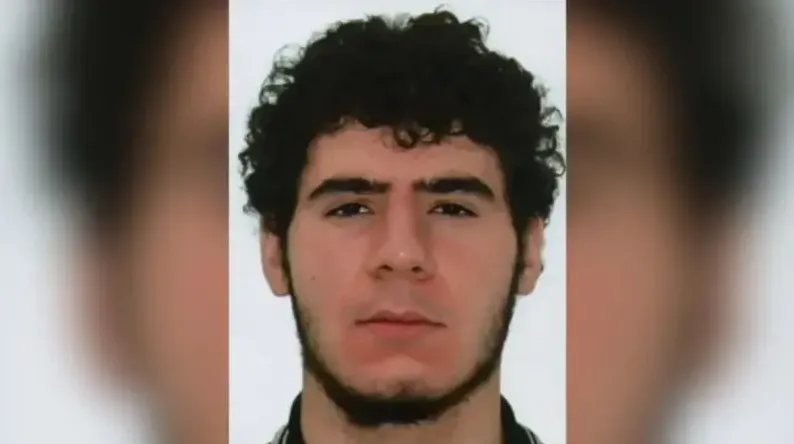
On July 25, a vehicle struck pedestrians in Berlin’s Tiergarten park. One woman died. Twenty-nine others were injured, some from edged weapons. The next evening, July 26, police located the suspect at roughly 18:00 in the Spandau district. The man, 21-year-old German citizen Abdul Balut, charged officers with a sharp object. Officers opened fire. Fire department crews tried immediate medical aid, but Balut died at the scene. Balut had prior convictions for assault and robbery. Officials said he had previously attempted to join the Islamic State. Interior Minister Alexander Dobrindt described the incident as a possible Islamist terrorist attack. Chancellor Merz called it a heinous assault. He stated terrorism’s poison would not spread further in German society. Police said they were not searching for additional suspects, but did not rule out copycat acts.
The 24-hour gap between the Tiergarten attack and the Spandau shooting has two critical effects. It limits the window for associated individuals to plan follow-on attacks. But it also compresses the entire political response into a single news cycle. Costs fall on multiple groups. Families of the dead and injured face immediate medical and emotional consequences. Police resources shift from long-term investigations to public reassurance. Political leaders lock in an official framing before all background details are released. Three key indicators will show if the incident stays contained or sparks broader measures. Watch for additional charges or background findings. Note any change to Berlin’s public gathering alert levels. Observe if other European capitals issue parallel statements or increase visible security. Until official updates are released, the confirmed sequence of attack, identification, and fatal confrontation is the only fixed record.
Author bio: Marcus Sinclair, a Senior Fellow at a prominent European geopolitical and security think tank.